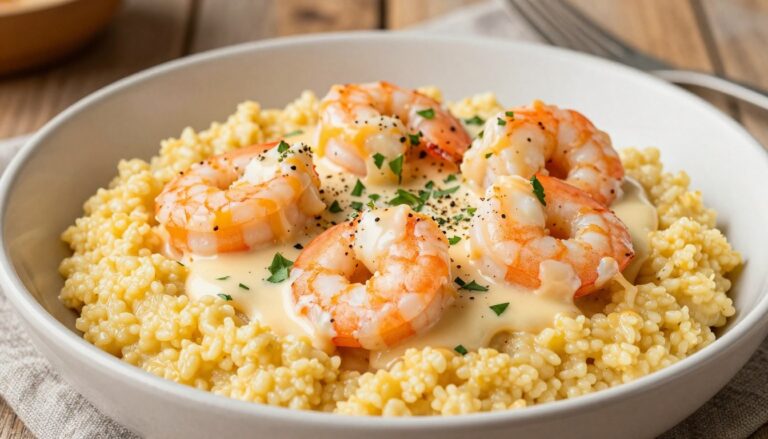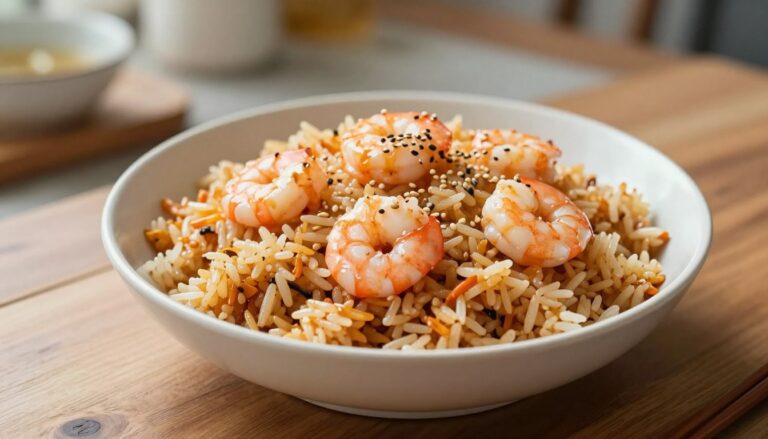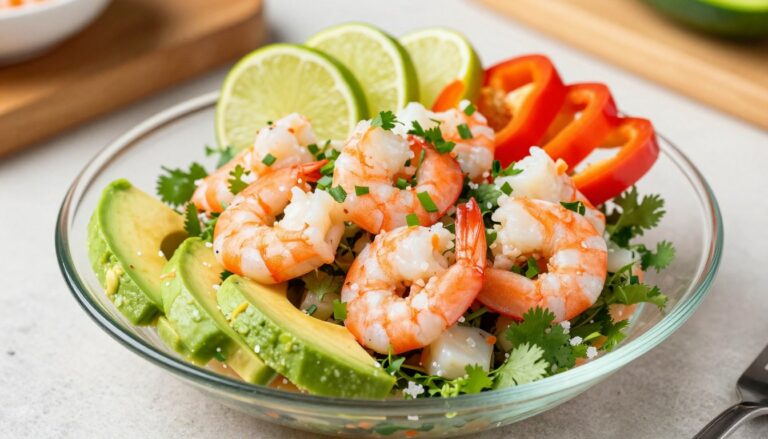

Shrimp Scampi Recipe with Pasta Without Wine (Easy & Flavorful)
Imagine the smell of garlic and butter in a pan. It’s like walking into an Italian restaurant and your mouth waters. That’s what shrimp scampi does. And the best part? You don’t need wine or special skills to make it at home.
Many think you need wine for shrimp scampi. But that’s not true. This recipe shows you can make a delicious version without wine. Chicken broth is the secret, making a rich, buttery sauce that tastes like hours of cooking.
This shrimp scampi is ready in 15 to 25 minutes. That’s quicker than getting takeout. Look for 16-20 count per pound shrimp. They cook fast and feel fancy on your plate.
This guide will teach you everything. You’ll learn how to choose the right shrimp, make the garlic butter sauce, and more. By the end, you’ll see why this wine-free shrimp scampi is a must-have for dinner.
Key Takeaways
- This shrimp scampi recipe with pasta without wine takes just 15 to 25 minutes to prepare and serve
- Chicken broth replaces wine as the base for a rich, garlicky butter sauce
- Large shrimp (16-20 count per pound) cook quickly and deliver the best texture
- Easy shrimp scampi without wine tastes just as good as traditional restaurant versions
- The dish works perfectly for busy weeknights and special weeknight dinners
- Fresh lemon juice and garlic create authentic scampi flavor without any alcohol needed
Why You’ll Love This Wine-Free Shrimp Scampi
This recipe adds elegance and flavor to your dinner table without the fuss. It’s a quick shrimp dinner perfect for busy weeknights and special events. The best part? You don’t need wine to make it impressive. Your kitchen will fill with the scent of garlic, butter, and lemon, just like a restaurant.
Quick and Easy Weeknight Dinner Solution
When you’re busy with work and family, time is precious. This weeknight shrimp pasta is ready in 15 to 25 minutes. You’ll spend little time prepping and cooking, so you can enjoy your meal with family.
The beauty of this approach includes:
- Simple ingredients you likely have at home
- Straightforward cooking steps anyone can follow
- No complicated techniques required
- Perfect portion control for your family
Perfect for Wine-Free Cooking
Whether you’re avoiding alcohol for personal, religious, or health reasons, this no wine pasta recipe delivers full flavor. Many home cooks don’t keep wine in their kitchens, and that shouldn’t stop you from making exceptional food.
The secret lies in using chicken broth, fresh lemon juice, and quality butter instead. These ingredients create a sauce that’s just as complex and satisfying as traditional versions. Your alcohol-free scampi tastes just as restaurant-quality without any compromise.
Restaurant-Quality Flavor at Home
You get that signature garlicky butter sauce coating tender shrimp and perfectly cooked pasta. This dish looks impressive and tastes amazing—all for a fraction of dining-out costs. Whether you’re serving family dinner or entertaining guests, this recipe makes you look like a skilled chef with minimal effort.
Essential Ingredients for Shrimp Scampi Without Wine
To make the perfect garlic butter shrimp pasta, start by gathering the right ingredients. You’ll need quality items that come together to make a dish that tastes like it’s from a restaurant. The best part is, most of these ingredients are probably already in your pantry.
Choosing the right shrimp is key for this dish. Look for large shrimp with a 16-20 count per pound. Buying them peeled and deveined saves time. Fresh shrimp is best, but thawed frozen shrimp works well too. This size ensures they cook evenly and stay tender.
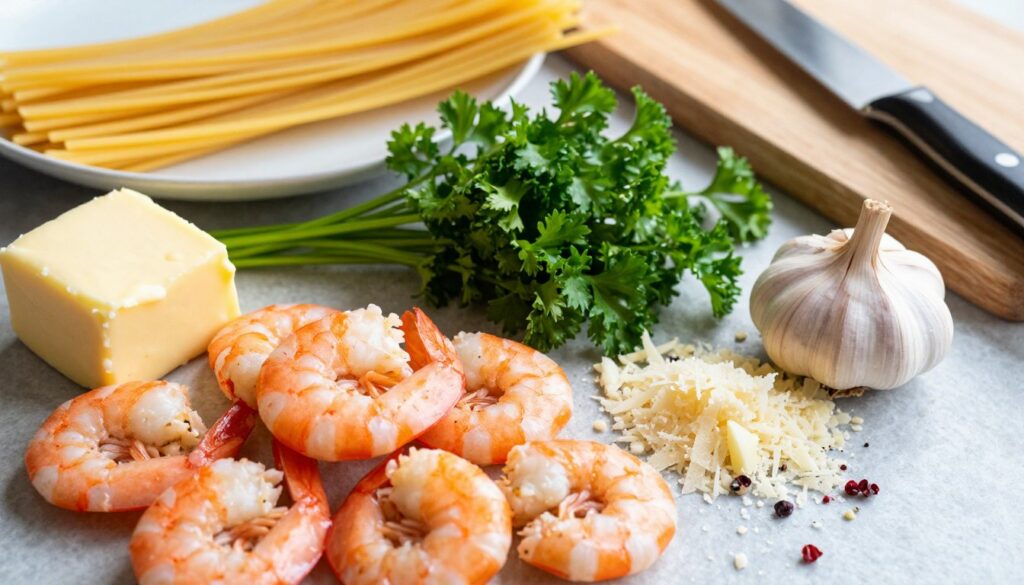
- 1½ pounds large shrimp (16-20 count, peeled and deveined)
- 4-6 garlic cloves, minced fresh
- 3-5 tablespoons butter (salted or unsalted)
- ½-⅓ cup low-sodium chicken broth
- 1-2 tablespoons fresh lemon juice and 1 teaspoon lemon zest
- ⅛-½ teaspoon crushed red pepper flakes (optional)
- ½ teaspoon kosher salt
- 1-2 tablespoons olive oil
- 1 tablespoon fresh chopped parsley
- 8 ounces pasta (linguine, angel hair, or spaghetti)
Fresh garlic is the best choice for real flavor. Don’t use garlic powder; go for minced fresh cloves instead. The chicken broth adds depth, replacing wine. Choose low-sodium broth to control the salt. Bone broth makes the sauce even richer, making your lemon shrimp pasta stand out.
Fresh lemon juice and zest add brightness to the dish. If you’re in a pinch, bottled lemon juice will do, but fresh is better. The red pepper flakes add optional heat. Long pasta noodles like linguine are best because they hold onto the sauce well.
Shrimp Scampi Recipe with Pasta Without Wine
Making shrimp scampi at home is simple. This recipe is divided into three easy steps. You’ll have a dish that tastes like it came from a restaurant in about 30 minutes. Each step adds to the flavor of your shrimp linguine without wine.
Preparing Your Shrimp
Begin by rinsing your shrimp under cold water. Dry them completely with paper towels. This step is key for a good crust.
Season your shrimp with salt and pepper just before cooking. If they’re frozen, thaw them by running cold water over them. Pat them dry after thawing.
Making the Garlic Butter Sauce
This is where your dish gets its flavor. Melt butter with olive oil over medium-low heat. Add minced garlic and cook for 60 seconds to 3 minutes. Watch it closely to avoid burnt garlic.
Add your shrimp to the pan and cook 3-4 minutes per side. They should be pink and opaque. The internal temperature should be 145°F. Remove the cooked shrimp to a clean plate.
Pour in chicken broth, lemon juice, lemon zest, and red pepper flakes. Simmer for 2-5 minutes to reduce. Stir in the remaining butter for a silky sauce.
Combining Pasta and Shrimp
Time your pasta to finish cooking when your sauce is ready. Return the shrimp to the pan and toss with your pasta. Make sure every strand is coated with the sauce.
- Garnish with fresh parsley
- Add lemon wedges on the side
- Serve immediately while hot
The Best Wine Substitutes for Classic Scampi Flavor
It might seem hard to make shrimp scampi without wine, but you have many great options. Wine adds acidity, depth, and complexity to the dish. You can find these elements in your kitchen with the right ingredients.
Start with a good broth as your wine substitute. Chicken broth is a solid base for your sauce, adding body and richness. For more flavor, use chicken bone broth, which is simmered for hours.
Chicken stock is also great, especially when you add Better Than Bouillon or a bouillon cube. This boosts the flavor.
To balance the broth, add something acidic. Fresh lemon juice does the trick, adding acidity and citrus notes. For a hint of fermented taste, add one teaspoon of white wine vinegar to the sauce and cook it down a bit.
Here are some top substitution choices:
- Chicken broth or chicken stock
- Chicken bone broth for richer flavor
- Fish stock or shrimp stock
- Fresh lemon juice for acidity
- White wine vinegar (one teaspoon)
- Better Than Bouillon for enhanced depth
Seafood fans should try fish or shrimp stock. It makes the sauce taste amazing with pasta and shrimp.
Step-by-Step Cooking Instructions
Learning to cook shrimp scampi needs focus on timing and heat. This guide will show you how to prepare each step, from heating the pan to mixing everything. Follow these steps for a dish that tastes like it came from a restaurant.
Cooking the Shrimp Perfectly
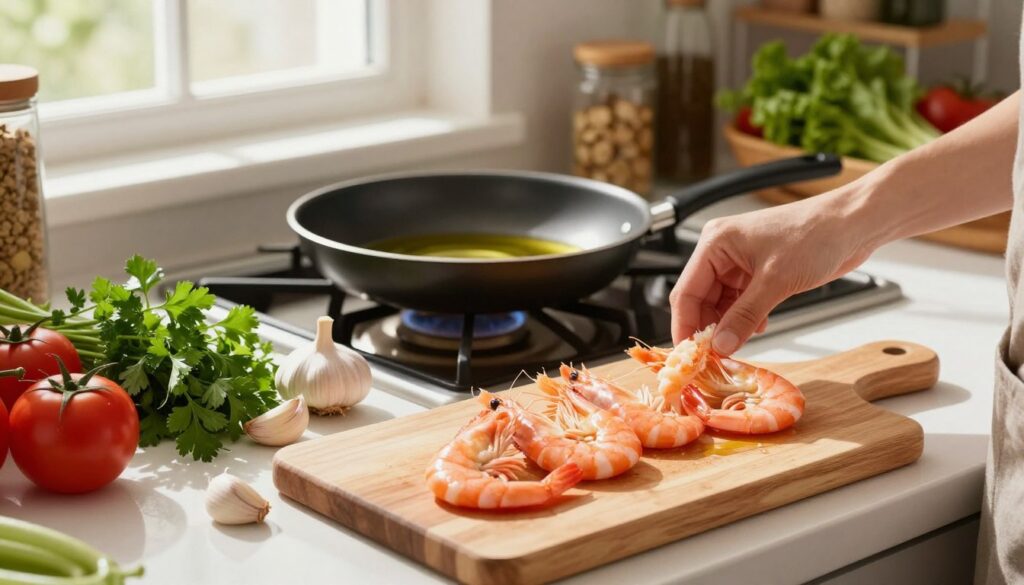
Begin by heating a 12-inch nonstick or stainless steel skillet over medium heat. Add olive oil and butter, letting them melt together. Once the pan is hot, add minced garlic and cook for 60 seconds until it smells good. Make sure it doesn’t brown.
Put your seasoned shrimp in a single layer without overcrowding the pan. Let them cook for 3 minutes on the first side. They should start to brown lightly. Flip each shrimp and cook for another 3-4 minutes until they turn pink and opaque.
Look for the C-shape when the shrimp are done. If they curl into an O-shape, they’re overcooked. Use a meat thermometer to check if they’ve reached 145°F. Take the shrimp out of the pan and set them aside while you make the sauce.
Creating the Flavorful Sauce
Lower the heat to medium-low and remove any extra liquid from the pan. Add butter and melt it completely. Pour in chicken broth and let it simmer for 2-5 minutes, reducing by about one-third. This makes the flavors richer.
Stir in fresh lemon juice and zest. Add red pepper flakes for some heat if you like. The sauce will thicken and become glossy as the butter mixes in.
Timing Your Pasta
Start your water early for perfect pasta timing. Begin boiling water when you start prepping. Add pasta when the water boils—usually when you start cooking the shrimp.
Cook pasta until it’s al dente, following the package directions. Before draining, save one cup of pasta water. Add the drained pasta to your skillet with the sauce and shrimp, tossing everything together:
- Combine hot pasta with the sauce
- Return cooked shrimp with any juices
- Toss until the pasta absorbs the flavors
- Add reserved pasta water if needed for consistency
These techniques ensure your shrimp are tender and flavorful. With the right pasta timing, your dish will be in perfect harmony.
Expert Tips for Perfect Shrimp Scampi Every Time
Mastering shrimp scampi cooking tips takes practice and attention to detail. The difference between a good dish and an exceptional one comes down to understanding how each ingredient behaves during cooking. Your success depends on managing heat, timing, and ingredient quality.
The most critical shrimp scampi cooking tips involve protecting your garlic. Garlic burns quickly over high heat, creating a bitter taste that ruins your entire sauce. Keep your heat at medium-low when cooking garlic and watch it constantly. Remove the pan from heat immediately if the garlic starts browning too fast. This single step makes avoiding burnt garlic the foundation of your recipe success tips.
Achieving the perfect shrimp texture requires two key actions. First, pat your shrimp completely dry before cooking, especially if they’re frozen. Moisture prevents proper browning and creates a watery sauce. Second, avoid overcooking. Shrimp continue cooking from residual heat even after you remove them from the pan. It’s better to slightly undercook them initially—they’ll finish cooking when returned to the hot sauce.
Here are essential recipe success tips for perfect results:
- Use fresh lemon juice and zest instead of bottled juice for bright, authentic flavor
- Choose wild-caught shrimp over farm-raised for superior taste and texture
- Start cooking shrimp when pasta water begins boiling for proper timing
- Double your sauce ingredients if serving over a full pound of pasta
- Adjust red pepper flakes to your heat preference—from a pinch to ½ teaspoon
- Add fresh herbs like basil, thyme, or oregano for extra depth
- Wipe out excess shrimp liquid before making your sauce
Your perfect shrimp texture depends on knowing when to stop cooking. Shrimp cook quickly—usually in two to three minutes. Watch for the color change from translucent to opaque pink. Trust your timing over guesswork. These shrimp scampi cooking tips transform home cooking into restaurant-quality meals.
Serving Suggestions and Pairings
Turning your shrimp scampi pasta into a full meal makes dinner feel like a fancy restaurant outing. The right sides bring out the dish’s best flavors and keep everyone happy. Let’s look at how to create the perfect plate with pasta and side dishes that go great together.
Best Pasta Choices
Choosing the right pasta is key for shrimp scampi. Long, thin shapes are best because they catch the buttery sauce well. Linguine is the top pick—it’s sturdy enough for shrimp and holds sauce perfectly.
Other great options include:
- Angel hair pasta for light, quick meals
- Spaghetti for a familiar, versatile choice
- Fettuccine for heartier dishes
- Bucatini for sauce-capturing hollow centers
For gluten-free choices, you have great options. Zucchini noodles are light and low-carb. Cauliflower rice is great for soaking up garlic butter. White or brown rice offers hearty, traditional grain options.
Side Dishes That Complement Shrimp Scampi
Side dishes for shrimp should balance the rich main course. Fresh salads are perfect:
- Crisp green salad with light vinaigrette
- Peppery arugula salad
- Mediterranean tomato and cucumber salad
- Classic Caesar salad
Vegetable sides add elegance and nutrition:
- Roasted broccoli rabe with slight bitterness
- Sautéed snow peas for crisp sweetness
- Asparagus and mushrooms for a fancy look
- Boiled broccoli with lemon
Crusty garlic bread is a must for soaking up sauce. Top everything with fresh parsley and serve lemon wedges. Grated Parmesan cheese is a must-have for guests to add as they like.
“The best meals celebrate simplicity with quality ingredients and thoughtful plating.”
These ideas make your shrimp scampi dinner complete and satisfying from start to finish.
Storage and Reheating Guidelines
Shrimp is delicate seafood that needs proper care after cooking. Knowing the right way to handle your leftovers keeps them safe and delicious. Your shrimp scampi can taste great again if you follow these storage and reheating tips.
Refrigerator Storage
When storing shrimp scampi, place it in an airtight container right away. Your dish will stay fresh in the refrigerator for up to 2 days. Keep the sauce with the shrimp—it protects them and keeps them moist. After 2 days, the quality drops and food safety becomes a concern.
Freezing Your Seafood Pasta
You can freeze your shrimp scampi for later use. Let the dish cool completely first. Transfer it to an airtight freezer bag or container with all the sauce and juices included. Freezing seafood pasta this way protects the shrimp from freezer burn. Your dish will last about one month in the freezer.
- Always cool the dish to room temperature before freezing
- Include all sauce and accumulated juices
- Use heavy-duty freezer bags or airtight containers
- Label with the date for easy tracking
Thawing and Reheating Methods
Plan ahead and defrost in your refrigerator overnight. Never thaw at room temperature—this creates food safety risks. When reheating shrimp, use the stovetop method for best results. Place your pasta in a skillet over medium heat. Add a splash of chicken broth or stock to refresh the sauce. Heat gently for 5-6 minutes, stirring occasionally, until warmed through.
Avoid high heat when reheating shrimp. Aggressive heat turns tender shrimp into tough, rubbery pieces. The microwave works in emergencies—use 50% power and heat in 30-second intervals while stirring between each cycle.
- Remove shrimp scampi from the freezer and place in the refrigerator overnight
- Pour into a skillet over medium heat
- Add chicken broth or stock to the pan
- Stir gently and heat for 5-6 minutes
- Check that the dish is warmed through before serving
Make-Ahead Strategy
Try this leftovers tips trick: undercook your shrimp slightly during the first cooking. Then finish cooking them when you reheat. This prevents the rubbery texture that comes from double-cooking. Your shrimp stays tender and flavorful.
Fresh shrimp scampi always tastes best, so prepare this dish when you plan to enjoy it right away. With these guidelines, your leftovers become a great second meal.
Conclusion
This easy weeknight shrimp recipe shows you don’t need wine for great taste. It uses chicken broth, fresh lemon, garlic, and butter for a delicious sauce. This sauce is simpler to make than traditional ones.
This quick pasta dinner is versatile and perfect for any night. It’s ready in 15 to 25 minutes, great for a busy Tuesday or a fancy Saturday. You can tweak the garlic, lemon, or spice to your liking. Try different pasta shapes, add herbs, or toss in extra veggies to make it yours.
The benefits are clear. With just a few ingredients and 20 minutes of cooking, you can save money and enjoy a meal at home. This recipe is perfect for those who avoid alcohol, don’t keep wine, or want a simple seafood dinner.
Don’t wait to try this wine-free dinner idea. Get your ingredients ready, heat your skillet, and see how tasty and easy it is. Once you try it, it’ll become a favorite for nights when you want something special without the hassle.
Explore more delicious meals in our shrimp category.