Recipe for Ceviche with Shrimp and Crab (Fresh & Flavorful)
There’s something magical about tasting fresh ceviche. The bright citrus hits your taste buds first. Then, the tender shrimp and sweet crab meat follow.
You don’t need fancy restaurant equipment to make this magic. Your kitchen has everything you need. In just 10 minutes, you can have a fresh ceviche ready that rivals any upscale restaurant version.
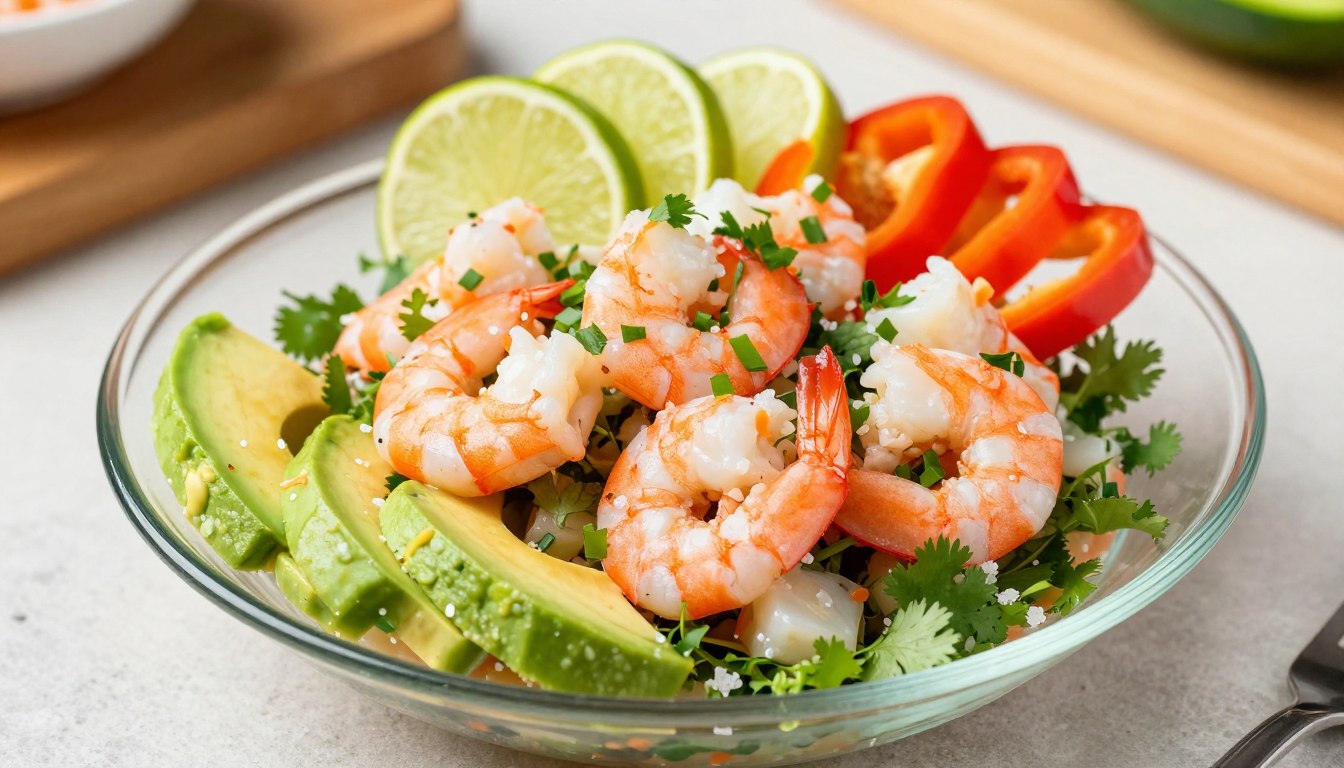
This recipe for ceviche with shrimp and crab turns raw seafood into a delicate, flavorful dish. Citrus juice acts as your cooking agent. Real shrimp and quality crab meat become the stars. Fresh vegetables add crunch and brightness. The result tastes both light and satisfying.
A homemade ceviche works perfectly as an appetizer for warm weather gatherings. You can serve it as a side dish alongside corn chips or tostadas. Your guests will be impressed by your culinary skills. You’ll feel proud knowing exactly what went into every bite.
Key Takeaways
- Fresh ceviche comes together in just 10 minutes of active preparation time
- This recipe for ceviche with shrimp and crab uses real seafood, not imitation products
- Citrus juice naturally cures the seafood without heat or cooking
- Homemade ceviche tastes better than most restaurant versions
- You can serve your ceviche with multiple options like tostadas, corn chips, or as a standalone appetizer
- Fresh vegetables provide important flavor balance and texture
What is Shrimp and Crab Ceviche
Ceviche is a dish from South America that doesn’t use heat. It’s a mix of fresh seafood and citrus. This dish looks and feels cooked, but it’s not.
The beauty of ceviche is in its simplicity and the quality of its ingredients. It’s loved worldwide, including in Mexico. Knowing how it’s made helps you enjoy every bite more.
The Traditional Ceviche Method
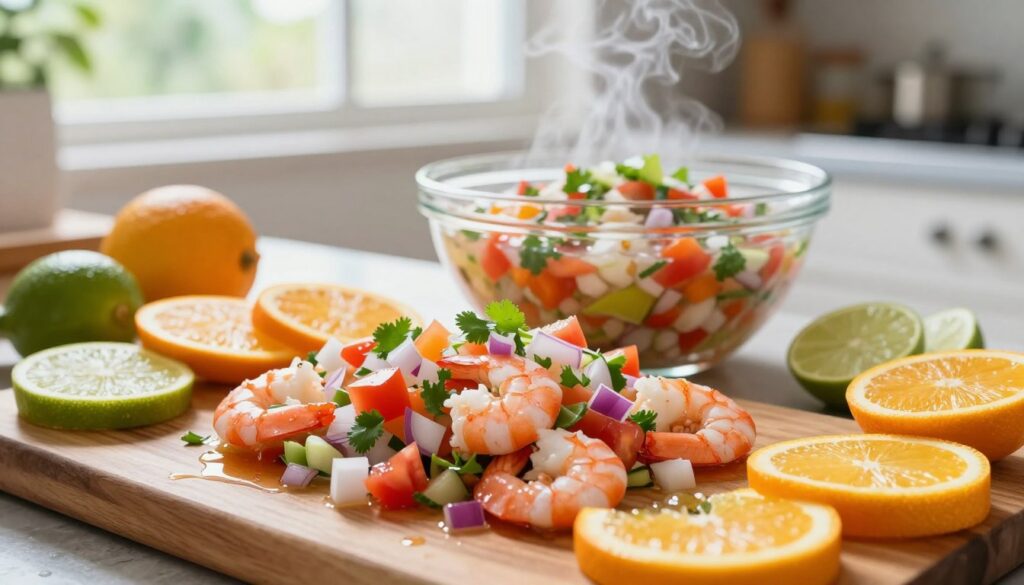
Making ceviche starts with choosing the best seafood. You need:
- Fresh seafood that meets food safety standards
- Enough citrus juice to cover everything
- Chilling techniques during preparation
- Fresh veggies that add to the flavor
Mexican ceviche uses lime juice only. This makes sure the seafood is evenly cured and tastes great.
How Citrus Acid Cures Seafood
Citrus juice changes the seafood’s proteins. This makes the seafood:
- Change from raw to cooked-looking
- Feel firmer like cooked fish
- Get unique flavors from marinating
Timing is key in making ceviche. Raw fish must be frozen first. Then, marinate for 15 to 30 minutes.
The acid doesn’t just flavor your dish—it fundamentally changes the protein structure, making it safe and delicious to eat raw.
Understanding this process lets you make perfect ceviche every time. It brings authentic ceviche into your kitchen with confidence.
Why This Recipe Stands Out from Traditional Versions
Many shrimp ceviche recipes online use shortcuts. They often include imitation crab, canned seafood, or bottled lime juice. This recipe, however, focuses on real, fresh ingredients for authentic flavor.
Quality and technique make this recipe stand out. Unlike many, it doesn’t use tomato juice or jarred salsa. Instead, it uses fresh citrus, real crab meat, and bright vegetables. This lets the seafood flavors shine.
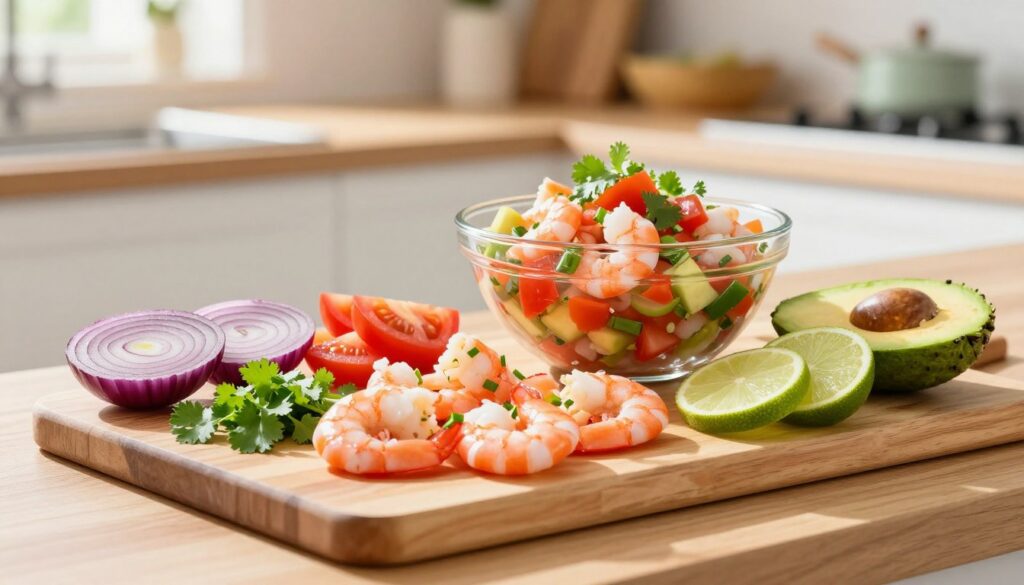
Preparing the shrimp is key. This recipe chops shrimp into small pieces. This increases the surface area, allowing the citrus marinade to penetrate faster. It makes the flavors more intense in every bite.
A small amount of ketchup is a unique touch. It adds a bit of sweetness and body. This balances the lime juice’s sharpness without overpowering the seafood.
- Fresh shrimp chopped small for quick flavor absorption
- Real crab meat instead of imitation products
- Bright citrus without bottled juice shortcuts
- Balanced acidity with a touch of ketchup
- No fillers, just pure seafood flavor
Authentic flavor doesn’t need to be complicated. This easy ceviche recipe shows that fresh ingredients and proper technique can make a dish taste like it’s from a restaurant, right in your own home.
Essential Ingredients for Shrimp and Crab Ceviche
Creating a great seafood ceviche recipe starts with the right ingredients. These ingredients turn raw seafood into a refreshing, flavorful dish. Each part is crucial for balance, texture, and taste.
Choosing Fresh Shrimp and Quality Crab Meat
Your seafood is the base of a great dish. Choose wild-caught shrimp from trusted sources. Fresh or frozen shrimp tastes better than farm-raised.
Crab meat is also key. Always pick real crab meat over imitation or canned. Real crab adds authentic taste and texture. Use about one cup of quality crab meat.
The Role of Citrus in Your Ceviche
Fresh citrus is essential. Ceviche with lime juice gives it a bright, clean flavor. You’ll need one-quarter to one-half cup of fresh lime juice—about three limes or two lemons.
Never use bottled juice. Roll fresh limes on the counter before cutting to get more juice. Some even microwave limes for fifteen seconds to help juice flow.
Fresh Vegetables That Add Flavor and Texture
Vegetables make your ceviche come alive:
- Red onion (one-half to three-quarters cup, minced)—milder than yellow onion, adds gentle sharpness
- Cucumber (one cup diced, seeds removed)—provides refreshing crunch
- Cilantro (one-quarter to one-half cup chopped)—delivers herbaceous freshness
- Jalapeño or serrano peppers (one to two, seeded and minced)—controls heat level
- Tomatoes (one to two, optional)—adds juiciness and color
- Avocado (one to two, diced)—brings creamy richness
Salt, pepper, and optional hot sauce complete your seafood ceviche recipe. Fresh ingredients make it taste like a restaurant dish at home.
Recipe for Ceviche with Shrimp and Crab
Making ceviche is simpler than you might think. It mixes fresh seafood with citrus for a refreshing meal. Your shrimp crab ceviche will be ready in 30 minutes to 2 hours. You’ll spend only 10-20 minutes preparing it.
Here’s what you need to make this tasty dish at home. It serves 2 to 8 people, perfect for a main course or appetizer. It’s gluten-free and suits many diets.
Complete Ingredient List
- 1/2 pound shrimp (peeled, deveined, and chopped)
- 1 cup fresh crab meat
- 1/4 cup fresh lime juice
- 3/4 cup minced red onion
- 1 jalapeño (seeded and minced)
- 1 avocado (diced)
- 1 cup diced cucumber
- 1/4 cup chopped cilantro
- Salt to taste
- Olive oil for finishing
- Lime wedges for serving
Optional additions: Add 1/2 cup ketchup and 2 tablespoons hot sauce to customize your ceviche.
Quick Reference Guide
- Prep Time: 10-20 minutes
- Marinating Time: 30 minutes to 2 hours
- Difficulty Level: Easy
- Servings: 2-8 people
This recipe card has everything you need to make your shrimp crab ceviche confidently. All measurements are in standard US units for your kitchen.
Step-by-Step Instructions for Making Fresh Ceviche
Making ceviche is all about the details. It’s not just about mixing ingredients. You need to prepare each part carefully and know the right marinating time. This way, your dish will be perfect every time.
Preparing Your Seafood Properly
Choose the best shrimp and crab meat for your ceviche. If using raw shrimp, cut them into 1/2-inch pieces. This helps the citrus juice get in evenly and speeds up the process.
If you’re not comfortable with raw seafood, try cooked shrimp ceviche. Lightly poach your shrimp first. Flake your crab meat gently to keep it tender and in bite-sized pieces.
Use a non-reactive bowl like glass or plastic. Metal bowls can ruin the flavor because of the acidic citrus juice.
Marinating Time and Temperature Guidelines
Put fresh lime or lemon juice in your bowl and add the shrimp and crab. Stir well to coat everything with the citrus. The marinating time is key for the right texture and taste.
- Minimum marinating time: 30 minutes for basic flavor
- Optimal marinating time: 1 to 2 hours for best texture and taste
- Maximum marinating time: Do not exceed 2 hours, or shrimp gets tough
Keep your ceviche cold below 40°F during marinating. It should look opaque and firm, not clear.
After marinating, add onion, cucumber, avocado, cilantro, chili pepper, and tomatoes. Mix gently, season with salt and pepper, and finish with olive oil. Serve right away or chill for up to an hour before enjoying.
Customizing Your Ceviche with Heat and Flavor
Making ceviche variations is fun because you can change it to your liking. You can choose from mild flavors to spicy heat. Your guests will love having options that suit their taste.
Think about how spicy you want it. Peppers come in different heat levels. Here’s what you need to know:
- Poblano peppers provide mild heat and work well if you prefer a gentle kick
- Jalapeños deliver moderate spice that most people enjoy
- Serrano peppers bring serious heat for spice lovers
Want less heat? Remove the seeds and membranes from peppers before adding them. This trick reduces the spice while keeping the flavor. Offer hot sauce on the side so everyone can adjust their ceviche to their taste.
You can also change the flavor in other ways. Adding tomatoes makes it juicier and more Mexican. Adjust ketchup and salsa to control the liquid and sweetness. Use lemon or lime, or both, for different tastes.
Choose your onions wisely. Red onions are milder and sweeter than yellow onions. Soak chopped onions in water for ten minutes to make them softer.
Always taste your ceviche before serving. Adjust the salt, acid, and heat until it’s perfect. Small changes can make a big difference in your dish.
Best Ways to Serve Your Shrimp and Crab Ceviche
Serving ceviche is more than just putting seafood in a bowl. How you present it affects its look and taste. Your guests will love the effort you put into plating and choosing fresh sides that match the dish’s bright flavors.
Tortilla Chips, Tostadas, and Other Serving Options
There are many great ways to serve ceviche at your next event. Each method highlights different aspects of your dish and suits various occasions.
- Tortilla chips – Perfect for casual dips at parties
- Tostadas with ceviche – Great for a filling snack or light meal
- Individual bowls – Elegant for dinner parties
- Saltine crackers – Let the seafood be the star
- Plantain chips – Add a tropical touch
- Lime wedges – For extra citrus
Keep your ceviche cold until serving. Don’t add tostadas until just before serving to avoid them getting soggy. A thin layer of mayonnaise on the tostada helps keep them crisp.
Making Your Own Homemade Tostadas
Homemade tostadas are always better than store-bought ones. They’re easy to make and quick.
- Spray both sides of yellow corn tortillas with olive oil
- Place tortillas on a baking sheet
- Bake at 400°F for 15-20 minutes, turning halfway through
- Watch closely as they burn easily
- For chips, cut tortillas into four triangles before baking
Your homemade tostadas will be crispier and fresher. This extra step makes your dish even better. Now, you’re ready to wow your guests with a complete ceviche experience.
Storage Tips and Food Safety for Ceviche
Fresh ceviche is a tasty dish that needs careful handling. Since citrus acid doesn’t kill bacteria like heat does, knowing how to store ceviche is key. Enjoy your ceviche right after making it for the best taste and texture.
How long your ceviche stays fresh is limited. Raw seafood in citrus can only last 24 hours in the fridge. If you have leftovers, drain the liquid before refrigerating. The seafood will get tougher as it “cooks” in the marinade.
Here’s how to store your ceviche safely:
- Put leftovers in an airtight container right away
- Refrigerate within two hours of making it
- Keep it at 40°F or below
- Eat within 24 hours for the best safety
- Check the smell before eating—fresh seafood should smell clean, not fishy or like ammonia
Remember, avocado will turn brown if stored overnight, but it’s still safe to eat. Freezing ceviche isn’t a good idea because it messes up the texture of seafood and veggies. Fresh ceviche is best enjoyed right away for the best taste and texture.
Common Mistakes to Avoid When Making Ceviche
Making homemade ceviche needs careful attention. Small mistakes can spoil your dish. Knowing what to avoid ensures a perfect ceviche every time.
Many home cooks face similar issues. Understanding these mistakes helps keep your ceviche fresh and tasty.
Why You Should Never Use Metal Bowls
The bowl you pick is crucial. Metal bowls can cause big problems with ceviche. Acidic citrus juice reacts with metals like aluminum or copper.
This reaction changes your ceviche’s taste, leaving a metallic flavor. Glass bowls are the best choice for ceviche. They don’t react with citrus acids.
Plastic bowls are also a good option. Both materials help your ceviche stay fresh and pure. Stay away from metal containers, including unlined stainless steel bowls.
Avoiding Imitation Crab and Low-Quality Seafood
Your ingredients affect the final dish in raw preparations like ceviche. Cheap canned crab can be a problem. It often has too much water and weak flavor.
Choosing real crab makes a big difference in taste. If you can’t afford real crab, go for flaked imitation crab instead of crab sticks. Flaked versions are easier to shred.
Real crab from trusted sources is always better. Freshly picked or quality refrigerated crab beats any imitation product.
Watch out for these common mistakes when making ceviche:
- Using bottled citrus juice instead of fresh-squeezed lemon or lime
- Over-marinating shrimp, which makes it tough and rubbery
- Adding avocado too early, causing it to brown and break down
- Under-seasoning your mixture and forgetting to taste as you go
- Selecting low-quality seafood to save money
These mistakes can ruin even the best homemade ceviche recipes. Spend time choosing the right ingredients and preparation methods. Your ceviche will be fresh, flavorful, and taste like it’s from a restaurant.
Variations and Substitutions for This Recipe
You don’t have to follow the recipe exactly. Ceviche is all about being creative. Your likes, what you have on hand, and dietary needs can shape your dish. Let’s see how you can make your ceviche your own.
Seafood Swaps and Options
Ceviche is very flexible. You can make a shrimp ceviche for a uniform taste. Or, go fancy with just crab meat. Other fish like salmon, halibut, or sea bass also work well.
Scallops add a sweet touch. If you’re watching your budget, imitation crab is a good choice. It’s not as rich as real crab but still tasty with fresh veggies and citrus.
Ingredient Modifications
To make your Mexican ceviche just right, tweak the flavors. Here are some ideas:
- Swap jalapeños for serrano peppers for more heat, or use poblano for less heat
- Try white onion instead of red onion for less sharpness
- Use lemon instead of lime for a different citrus taste
- Add tomatoes for a juicier, more traditional Mexican look
- Include cucumber for extra crunch and freshness
Creative Additions
Adding pre-made salsa can enhance the liquid and spice. A bit of ketchup adds sweetness and thickness. Hot sauce adds a tangy kick. For a twist, mix ceviche with cooked pasta and mayonnaise for a cold pasta salad.
Conclusion
You now have all you need to make a top-notch ceviche with shrimp and crab at home. This recipe is quick, taking only 10 to 20 minutes to prepare. It doesn’t need cooking, thanks to fresh seafood, citrus, and veggies.
This dish is simple yet impressive. It succeeds because it focuses on quality ingredients, not complex methods. Fresh shrimp and crab, along with lime juice and veggies, create a burst of flavors. You just need basic knife skills and patience for marinating.
This ceviche recipe is perfect for many events. Enjoy it at summer gatherings, fancy dinners, or simple weeknight meals. It’s also great for healthy lunches. Feel free to try different variations and make it your own.
Using the best ingredients is key to great ceviche. Choose the freshest shrimp and crab, and the juiciest citrus. Pick the crispest veggies. These choices turn your ceviche into a memorable dish. Now, it’s time to try it out. Your family and friends will love the fresh, healthy flavors of coastal cuisine.
Explore more delicious meals in our shrimp category.