Best Leg of Lamb on a Spit Recipe – Tender & Flavorful
Standing around a fire with loved ones, waiting for meat to cook, is magical. The first whiff of herbs and spices is unforgettable. Cooking a spit roasted lamb is more than food; it’s about the experience and the people you share it with.
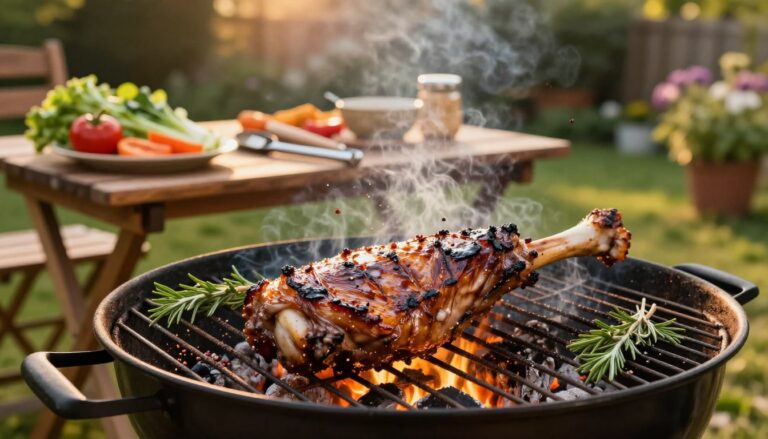
A leg of lamb on a spit recipe turns simple meat into something amazing. The meat cooks evenly, staying juicy and flavorful. Whether you use a smoker or traditional fire, the results are incredible.
Success comes from three things: preparation, equipment, and temperature control. A rotisserie lamb recipe lets you control every step. This ensures a perfect dish every time.
This guide covers everything you need to know. You’ll learn how to choose your lamb, season it, and cook it to perfection. You’ll also find out which woods and equipment are best. By the end, you’ll be able to make a meal that wows your guests.
Key Takeaways
- Cook your leg of lamb on a spit recipe to an internal temperature of 135°F for optimal tenderness and juiciness
- Spit roasted lamb combines even heat distribution, smoky flavor, and spectacular presentation all in one cooking method
- You can use either gravity-fed smokers or traditional live fire setups to achieve excellent results with a rotisserie lamb recipe
- Proper preparation, seasoning, and monitoring are the three key elements for success
- Both modern equipment and rustic techniques deliver delicious, restaurant-quality results
- The rotating motion of spit-roasting keeps meat juices distributed evenly throughout the cut
Why Spit-Roasted Lamb is the Ultimate Outdoor Cooking Experience
Spit-roasted lamb is special because it’s more than just cooking. It turns your outdoor area into a place where people gather. The mix of rotating meat, open flame, and careful watching makes it unique.
Outdoor lamb cooking is not just about the taste. It’s about the whole experience. From lighting the fire to the first bite, every moment is important.
The Magic of Rotisserie Cooking
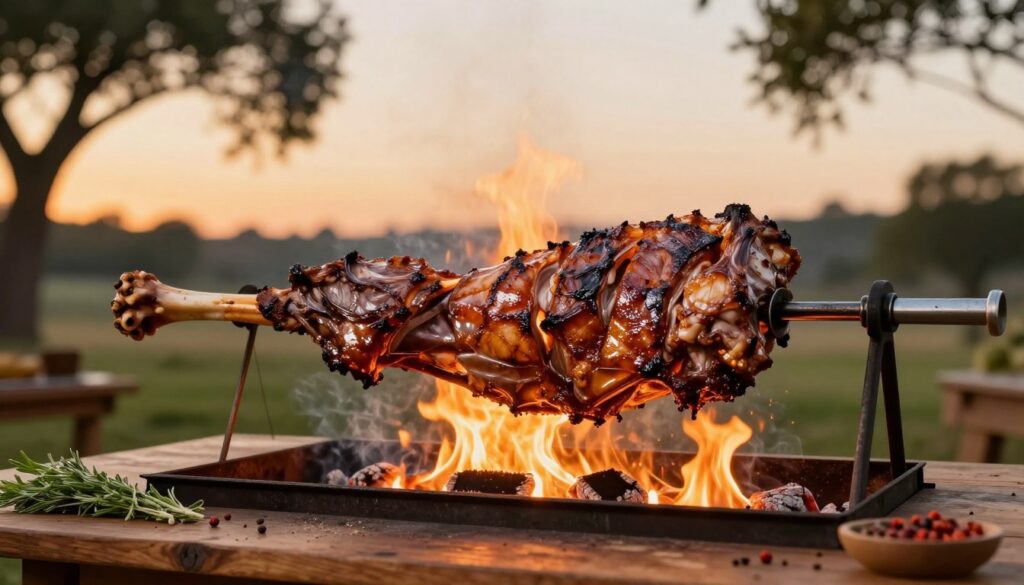
The rotisserie makes lamb cook like nature intended. As it turns, fat drips down and coats the meat. This makes the outside crispy and the inside tender.
The rotisserie cooks the lamb evenly. It avoids hot spots and ensures even doneness. Every turn means the meat gets the same heat, for perfect results.
Benefits of Cooking Lamb Over Live Fire
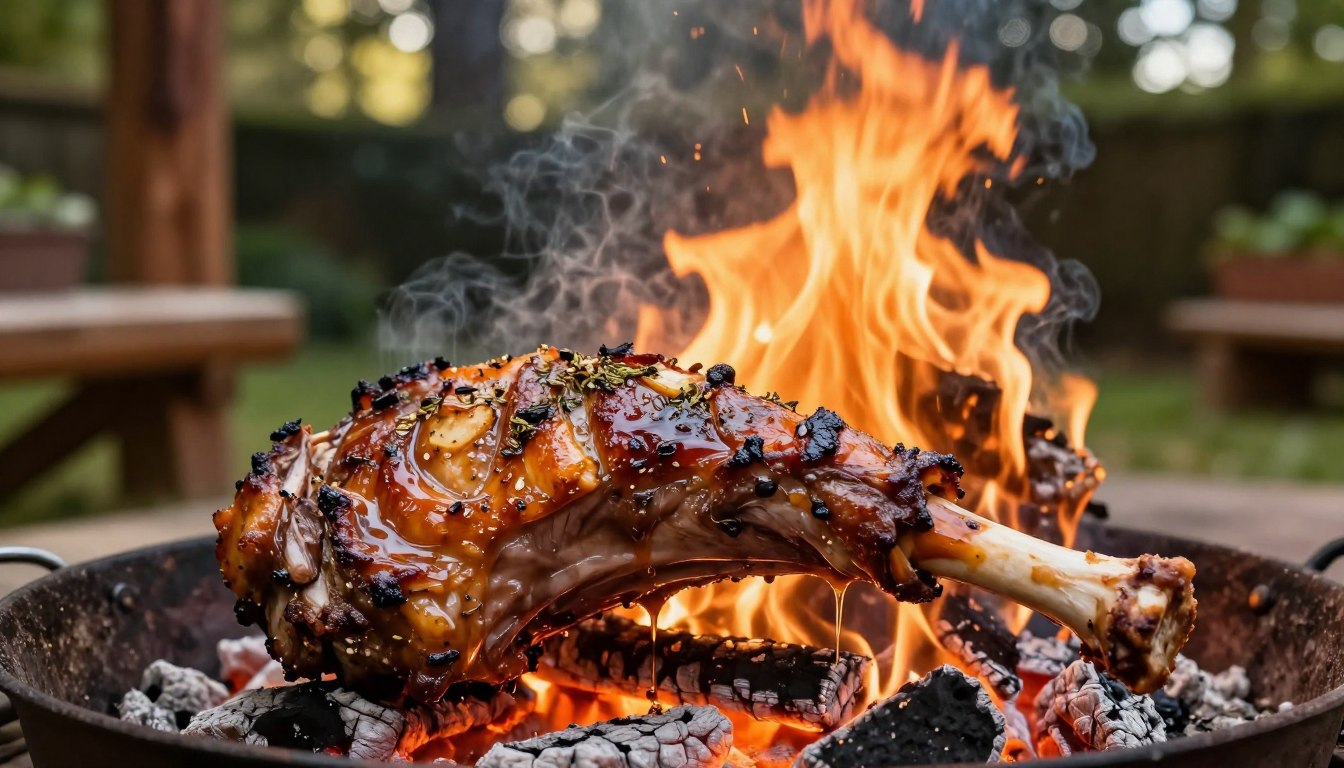
Cooking lamb over live fire adds complex smoky flavors. It’s a way to connect with cooking traditions from long ago.
- Smoke infuses natural, deep flavors into the meat
- Direct flame creates superior crust development
- Open-air cooking brings people together
- The process itself becomes entertainment and bonding time
Watching your lamb cook is part of the fun. You’ll adjust the heat and enjoy the wait with loved ones around.
Choosing the Perfect Leg of Lamb for Spit Roasting
Choosing the right leg of lamb is key to a great spit roast. A 10-pound leg is perfect for 10-12 people, great for family and outdoor events. The choice between bone-in and boneless is important.
When shopping for lamb, look for these qualities:
- Color should be pink to red, never gray
- White fat coverage should be thin and even
- Fresh smell without any sour odor
- Firm texture that springs back when touched
Bone-in legs are traditional, but deboning has big benefits. It lets more seasoning in and cooks evenly. Your butcher can do it, or you can try it yourself.
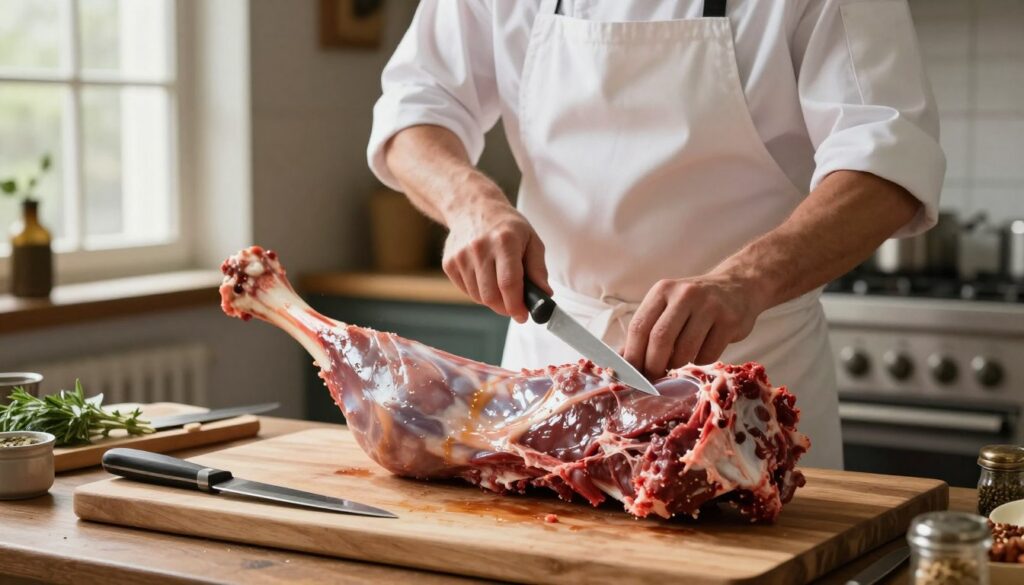
You’ll choose between domestic and imported lamb. American lamb is milder, while New Zealand and Australian lamb is gamier. Both are great for spit roasting.
“The quality of your lamb determines the quality of your final dish.”
Think about your taste preferences. Domestic lamb is good for those who like mild flavors. Imported lamb is for those who want a stronger taste. Either way, with the right cooking, you’ll get amazing results.
Essential Equipment for Spit-Roasting Lamb
Learning to cook lamb on a spit starts with the right gear. You need quality tools to manage heat, secure meat, and catch drippings. The right setup makes your outdoor cooking amazing.
Choosing the right equipment depends on your space and cooking style. Whether you have a grill or a smoker, knowing your options is key. This helps you pick the best for your needs.
Rotisserie Setup and Smoker Options
There are many ways to set up your rotisserie system. A basic rotisserie attachment works great if you have a strong grill. For serious cooks, gravity-fed smokers like the Masterbuilt 1050 offer control and authentic flavors.
When picking your rotisserie gear, look for these key parts:
- A sturdy rotisserie rod for 10-pound cuts
- Secure holding forks for meat
- A reliable motor for steady rotation
- Heat deflectors for temperature control
Gravity-fed smokers are perfect for convenience and taste. They offer temperature control like pellet smokers but with real wood and charcoal flavor.
Cast Iron Skillets for Catching Drippings
Using cast iron under rotisserie is a classic method. Place a 12-inch or larger cast iron skillet under your lamb. It catches the drippings for flavorful roasted potatoes and sauce.
Cast iron is great for this because it’s durable and keeps heat well. It handles high heat without warping or cracking. This is why cast iron is a favorite for outdoor cooking.
Your cast iron skillet is a heat conductor. It keeps the temperature even under your meat and collects drippings. This setup ensures all juices are used, adding flavor to your meal.
Preparing Your Lamb: Deboning and Butterflying Techniques
Getting your lamb ready for the spit starts with proper preparation. Whether you buy a bone-in leg or a butterflied leg of lamb, understanding the right techniques makes a huge difference in how your meat cooks. Taking time with this step ensures even cooking and better flavor absorption throughout your meal.
If your leg comes bone-in, you’ll need to remove the bone carefully. Use a sharp boning knife and follow the bone closely as you work. Keep your cuts tight against the bone to avoid wasting any meat. This step requires patience, but it opens up possibilities for creating that perfect butterflied leg of lamb that cooks evenly on your spit.
Once you’ve removed the bone, open the meat like a book. This butterflying technique creates a relatively uniform thickness across the entire piece. A butterflied leg of lamb allows lamb seasoning to penetrate deep into the meat, giving you incredible flavor in every bite.
Scoring the exterior fat is your next critical step. Use a sharp knife to cut a crosshatch pattern of 1×1 inch diamonds across the surface. This scoring serves several important purposes:
- Helps fat render more effectively during cooking
- Allows lamb seasoning and marinades to reach the meat below
- Creates an attractive presentation on your finished product
- Promotes even heat penetration throughout the lamb
Trim excess fat, leaving about 1/4 inch for moisture and flavor. Remove the silverskin that can become tough when heated. These finishing touches prepare your butterflied leg of lamb perfectly for the spit, ensuring tender, juicy results.
Leg of Lamb on a Spit Recipe
Starting your lamb rotisserie recipe journey is all about quality and prep. This guide will help you make a top-notch spit-roasted leg of lamb at home. You’ll mix classic flavors with new methods for tender, juicy results that wow your guests.
Mastering this recipe is about layering flavors inside and out. You can pick from a strong dry rub or a fragrant herb-studded method.
Ingredients and Seasonings
Your lamb rub recipe starts with top-notch cuts and scents. Here’s what you need:
- One 10-pound leg of lamb, butterflied
- 20 garlic cloves, peeled
- 20 sprigs fresh thyme
- 4-5 sprigs fresh rosemary
- 3-4 sprigs fresh mint, chopped
- 2 large shallots, minced
- 2 tablespoons minced garlic
- 2 tablespoons unsalted butter
- 2 tablespoons olive oil
- Salt and black pepper to taste
- ¼ cup toasted pine nuts
- Sugar-free BBQ rub (optional enhancement)
Step-by-Step Cooking Instructions
Follow these steps to prep your lamb rotisserie recipe:
- Pat your butterflied leg of lamb dry with paper towels
- Make small cuts (½ inch deep) across the meat surface
- Insert whole garlic cloves, thyme sprigs, and rosemary into each cut
- Mix shallots, minced garlic, and olive oil in a bowl
- Spread this mixture evenly across the meat’s interior
- Sprinkle chopped mint and toasted pine nuts over the filling
- Season generously with salt, pepper, and your lamb rub recipe
- Roll the lamb tightly from one end
- Bind securely with butcher’s twine at 1-inch intervals
- Thread the rotisserie rod through the center lengthwise
- Secure both ends with rotisserie forks
- Place over medium flame and begin rotating
“The magic of spit roasting comes from slow, even heat that cooks the lamb perfectly while rendering the fat.”
Letting the meat rest for 30 minutes after securing it on the spit enhances your lamb rub recipe. This step lets flavors soak into the meat before cooking. Keep an eye on your rotisserie to ensure even cooking.
Creating the Perfect Herb and Spice Rub
The right lamb seasoning is key when cooking lamb on a spit. You can choose between a bold spice blend or fresh herbs. Both options bring out the meat’s rich, distinctive taste.
A good lamb rub recipe adds layers of flavor without overpowering the meat. Sugar-free rubs are best for spit roasting. They prevent burning during long cooking times over live fire. This way, spices develop deep, complex flavors without charring.
- Cumin for warm, earthy notes
- Coriander for subtle sweetness
- Chili powder for gentle heat
- Garlic powder for pungent depth
- Paprika for color and mild flavor
The interior paste adds a unique flavor layer. Mix diced shallots, minced garlic, olive oil, rosemary, and mint. Add toasted pine nuts for nutty texture and earthy richness. This mixture makes the meat moist and flavorful.
Find the right balance in your lamb seasoning. Fresh herbs like rosemary pair well with lamb. Mint adds a bright touch to the richness of the meat. Your lamb rub recipe will succeed when every flavor complements the smoke and fire.
Setting Up Your Fire: Temperature and Wood Selection
Getting your fire ready is key when cooking a smoked leg of lamb. The right fuel and temperature control are crucial. They can make your meal tender and flavorful or a letdown.
The heat source you choose impacts the taste and cooking time of your lamb. Different fuels burn at different rates and produce varying smoke levels. It’s important to match your fuel to your equipment and cooking style.
Lump Charcoal vs. Pellet Smokers
Lump charcoal burns hotter and cleaner than briquettes. It produces less ash and gives your lamb a real wood-fired taste. You can control the fire more directly with lump charcoal.
Pellet smokers offer convenience and steady temperatures. They’re great for a hands-off cooking experience. Gravity-fed charcoal smokers, like the Masterbuilt 1050, offer a mix of old-school and modern features. They let you use real charcoal and wood while keeping temperatures precise.
Start with 2 inches of lump charcoal in the hopper. Add a fist-sized chunk of smoking wood. Then fill the rest with charcoal to keep the fire steady.
Best Woods for Smoking Lamb
Choosing the right wood for smoking lamb is crucial for flavor. Different woods create different smoke flavors that can either enhance or clash with your meat.
- Apple wood adds mild, sweet smoke that pairs nicely with lamb
- Cherry wood creates a gentle smoke with fruit notes
- Oak provides medium smoke strength without overpowering the lamb
- Hickory delivers stronger, traditional BBQ smoke flavor
Avoid mesquite and other aggressive woods. They can make your lamb taste bitter and overpowering. The best wood for smoking lamb lets the meat and your herb rub shine. Keep your smoke at a medium level for balanced flavors.
Making Roasted Potatoes Under the Spit
Spit-roasting lamb has a secret: the magic below the meat. Roasting potatoes with lamb drippings under the spit captures all the flavors. This turns ordinary potatoes into something amazing.
Choose the right potato for this. Yukon Gold potatoes are best because they stay firm and get golden-brown. Cut about 5 pounds into large wedges for even cooking.
- Minced fresh garlic
- Fresh rosemary sprigs
- Olive oil or melted butter
- Generous kosher salt and cracked black pepper
Timing is key. Add potatoes when the lamb has cooked for 1.5 hours. Put them under the spit to catch all the juices.
Stir the potatoes now and then for even coating. Watch for potential flare-ups when fat drips into the fire. They should cook for another 1.5 hours until tender and golden.
“The rendered fat from the lamb creates the most incredible basting liquid for your potatoes.”
After the lamb is done, rest it in the potato pan. This step adds extra flavor by deglazing the bottom.
Timing and Temperature Guide for Perfect Doneness
To get your spit-roasted lamb just right, you need to be precise and patient. It usually takes about 3 hours for a 10-pound leg. But, this time can change based on your fire size, the lamb’s size, and your desired temperature. A meat thermometer is your best friend for getting consistent results every time.
For juicy, tender lamb, it’s all about the internal temperature. Stick your thermometer into the thickest part of the meat. Make sure to avoid fat pockets, as they can give wrong readings.
Internal Temperature Targets
The internal temperature of your lamb is key to its doneness and texture. Aim for 135°F for medium-rare. At this temperature, the outside gets crispy and caramelized, while the inside stays tender and juicy.
- Rare: 125°F
- Medium-Rare: 135°F (recommended)
- Medium: 145°F
- Medium-Well: 150°F
The cooking time for lamb depends on several things. A smaller lamb cooks faster than a bigger one. Your fire temperature also plays a role. Always use a meat thermometer to check for doneness, not just time.
Resting Your Lamb Properly
When your lamb hits 135°F, it’s time to take it off the heat. The resting period is just as crucial as cooking. Let it rest for 30 minutes loosely tented in foil after removing it from the spit.
During this time, several good things happen:
- The internal temperature rises a bit
- Juices spread out evenly, so they don’t run out when you slice
- Muscle fibers relax, making the meat more tender
Don’t cut into your lamb too soon. Rushing this step can make the meat dry and flavorless. Your patience ensures every bite is moist and full of flavor.
Italian Salsa Verde: The Perfect Accompaniment
Salsa verde for lamb adds a fresh, herbaceous touch to your spit-roasted lamb. It’s different from Mexican salsa verde, made with tomatillos. Instead, it’s a vibrant mix of fresh herbs, garlic, and olive oil. This sauce cuts through the meat’s richness with bold, complex flavors.
The beauty of salsa verde for lamb is its versatility. You can drizzle it over sliced meat, on roasted potatoes, or as a dipping sauce. Your guests will love how the bright, garlicky notes enhance the smoky flavor of the lamb.
Making Your Salsa Verde for Lamb
Start by preparing your ingredients in a food processor. Begin with these key components:
- 1 red onion, minced and rinsed (rinsing removes the harsh bite)
- 10 anchovies (adding umami depth without fishiness)
- 8 slices preserved lemons (contributing complex citrus-salt flavor)
- 8 cloves garlic, minced
- 1 teaspoon chili flakes
- 2 lemons, zested and juiced
- 2 tablespoons red wine vinegar
Pulse these ingredients together until combined. Then add your fresh herbs:
- 2 cups parsley, picked from stems
- 1/2 cup oregano
- 1 teaspoon thyme
Slowly drizzle in 1.75 cups of olive oil while blending. Stop when you reach a chunky, spoonable consistency. This texture is perfect for both spooning and drizzling. Finish by seasoning with salt, pepper, and Tabasco to your taste.
The funky, herby, garlicky flavors pair well with your lamb and potatoes. They make a great finishing touch for your outdoor cooking.
Serving Suggestions and Side Dishes
Your spit-roasted lamb is a showstopper. It deserves amazing side dishes to match. The potatoes roasted under the spit are a great start. You can add more dishes that complement the lamb’s smoky flavor.
Creating a full feast around your lamb is all about making smart choices. A fresh green salad with lemon dressing is a perfect contrast. Grilled veggies like asparagus, zucchini, and bell peppers add color and healthiness without being too much.
- Warm flatbread or pita for scooping salsa verde and drippings
- Grain salads with farro, couscous, or quinoa mixed with herbs and lemon
- Mediterranean classics like tzatziki, hummus, or baba ganoush
- Roasted root vegetables with garlic and rosemary
- Simple tomato and cucumber salad with olive oil
Slicing technique matters for presentation. Cut your rested lamb into half-inch slices against the grain for tenderness. You can display everything on a big platter or carve the leg at the table for a wow factor.
This dish is perfect for 10-12 people, great for parties, holidays, and outdoor events. The cooking itself is a show for your guests.
Conclusion
You now know how to make spit roasted lamb like a pro. This method mixes old traditions with new cooking skills. The leg of lamb recipe you learned is all about prep, seasonings, and cooking over an open flame.
Choosing the right cut and seasoning it well takes time and care. Cooking for 3 hours means keeping the fire going and watching the temperature. But the end result is worth it.
Deboning and butterflying the lamb ensures it cooks evenly. Your dry rubs and herbs add deep flavors to every bite. The right wood and temperature control give the meat a smoky, charred taste.
Roasted potatoes below soak up all the juices, making them extra tasty. Each step is important, leading to a delicious final dish.
Now, you can try different flavors and sides to make your lamb dish unique. You can use different herbs, spices, and wood types. This recipe is your chance to be creative.
Your outdoor meals will impress everyone with this technique. The combination of tender lamb and crispy outside is amazing. You’re ready to make something truly special.
Browse all our easy lamb recipes for more inspiration.