Easy Recipe for Salmon Cakes with Fresh Salmon
There’s something special about biting into a salmon cake that’s still warm from the pan. The crispy golden exterior gives way to tender, flaky fish that tastes nothing like the canned version. If you’ve ever felt intimidated by cooking fish at home, this fresh salmon cakes recipe changes everything. You’ll discover that making homemade salmon patties is far simpler than you might think.
Many home cooks believe that creating restaurant-quality salmon cakes requires advanced skills or fancy equipment. The truth is different. A recipe for salmon cakes with fresh salmon requires just 30 minutes of active preparation time and about 1 hour and 15 minutes total. You don’t need culinary training to pull this off. What you need is fresh salmon and a willingness to try something new in your kitchen.
Your salmon cake recipe from scratch will yield 13 to 14 beautiful patties from just one pound of fresh salmon. That’s enough for dinner tonight with leftovers for tomorrow. These patties work for busy weeknight meals, special occasions, appetizers, or meal prep sessions. They’re forgiving recipes that succeed again and again. Even if you’ve never made fish cakes before, you’ll find this approach approachable and straightforward.
This complete guide walks you through every step. You’ll learn how to select and prepare fresh salmon properly. You’ll discover mixing techniques that create the perfect texture. You’ll master cooking methods that deliver crispy, golden results. By the end, you’ll have everything needed to serve impressive salmon cakes your family will love.
Key Takeaways
- Fresh salmon cakes deliver superior flavor and texture compared to canned versions
- One pound of fresh salmon makes 13 to 14 patties with just 30 minutes of active prep time
- This homemade salmon patties recipe is approachable for cooks of all skill levels
- Salmon cake recipe from scratch works for weeknight dinners, special occasions, and meal prep
- The easy salmon cakes process includes simple techniques for mixing, forming, and cooking
- Proper storage and make-ahead methods extend the versatility of your finished patties
Why Fresh Salmon Makes All the Difference in Salmon Cakes
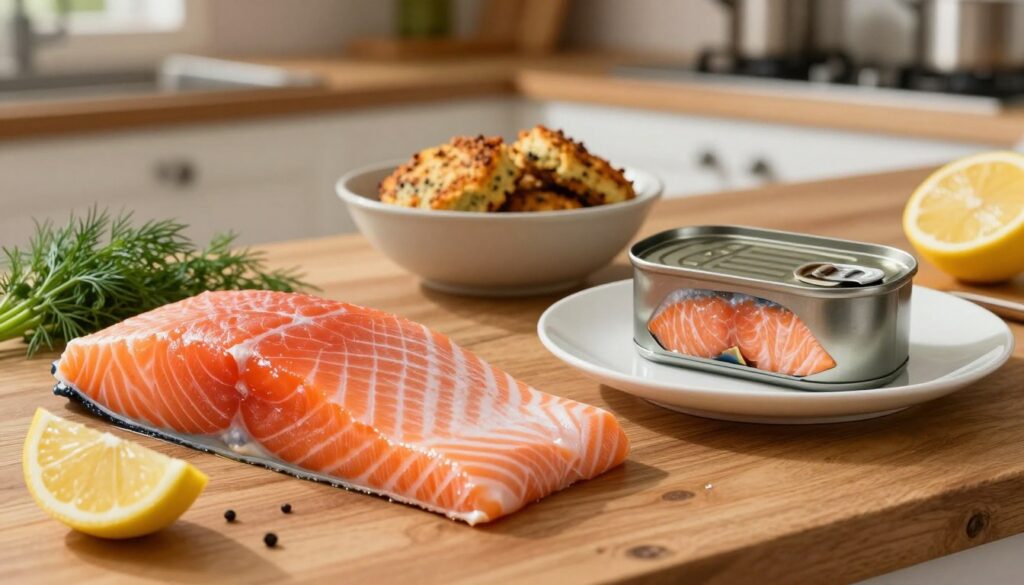
Choosing the right salmon for your salmon cakes is key. Fresh salmon vs canned salmon is more than taste. Fresh ingredients mean better flavor, texture, and nutrition. Knowing the difference helps you cook better.
The Superior Flavor of Fresh vs. Canned Salmon
Fresh salmon has a clean, delicate taste. Canned salmon can’t compare. Cooking fresh salmon brings out a sweet flavor without fishiness.
Canned salmon tastes metallic or too fishy. This strong taste can hide other flavors. Fresh salmon lets herbs and seasonings stand out.
Texture is also important. Fresh salmon flakes into big, tasty pieces. Canned salmon turns into mush, making cakes less appealing.
Nutritional Benefits of Using Fresh Salmon
Fresh fish is healthier than canned. Fresh salmon offers great health benefits:
- High-quality protein at 9g per cake
- Omega-3 fatty acids for heart and brain health
- Vitamin D for strong bones
- B vitamins for energy
- Selenium for immune support
Wild salmon has these nutrients in their best forms. Cooking fresh salmon keeps more nutrients than canned.
Need a substitute? Use 14-15 ounces of drained canned salmon or leftover cooked salmon. The taste and texture will be different, but your cakes will still be tasty.
Essential Ingredients for Perfect Salmon Cakes
Creating delicious salmon cakes starts with knowing what goes into them. You need quality ingredients that work together. Each one adds texture, flavor, and structure to your dish.
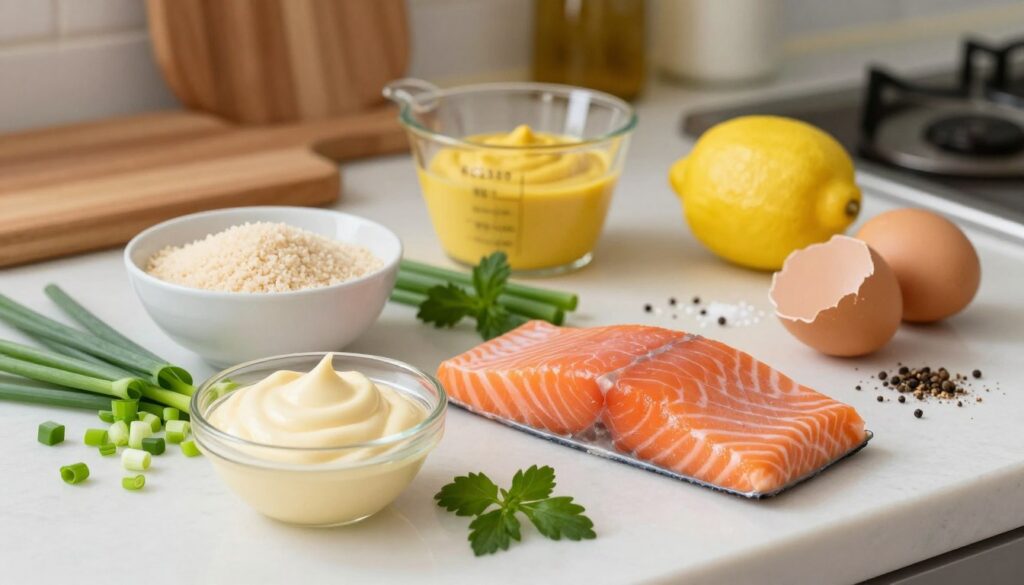
You’ll need one pound of fresh salmon fillet for your cakes. This makes about 13 to 14 cakes, serving four to six people. Binding agents are key to keeping everything together.
Core Binding and Texture Components
Binding agents keep your salmon cakes together while cooking. Use two large eggs beaten with three tablespoons of mayonnaise for moisture and richness. For the breadcrumbs, one cup of panko is best. Panko breadcrumbs make the cakes lighter and crisper.
Panko breadcrumbs are the best choice for salmon cakes. They offer a golden finish and great texture. If you can’t find panko, fresh or whole wheat breadcrumbs are good alternatives.
Vegetables and Aromatics
- One medium onion, finely diced (about one cup)
- One-half red bell pepper, diced small
- One-quarter cup minced fresh parsley for brightness
- Optional: celery for crunch or yellow bell pepper for sweetness
Seasonings and Flavor Boosters
Seasoning makes your salmon patties unforgettable. Start with garlic salt and black pepper. Add one teaspoon of Worcestershire sauce for depth and one-half teaspoon of lemon zest for citrus. For seafood flavor, use one and one-half teaspoons of Old Bay seasoning.
Don’t forget one to two teaspoons of Dijon mustard for tang. Or add one-quarter teaspoon of cayenne pepper for a spicy kick.
Cooking Essentials
For cooking, you’ll need three tablespoons of unsalted butter and olive oil. These fats help achieve a golden, crispy crust.
If your mixture is too wet, add more breadcrumbs. For dryness, mix in an extra tablespoon of mayo. You can also use canned salmon or salmon packets if fresh is not available.
How to Prepare Fresh Salmon for Your Cakes
Making delicious salmon cakes starts with the right fish. You need to know how to cook salmon for cakes. This guide will show you how to turn raw salmon into flaked fish for mixing.
Baking the Salmon to Perfection
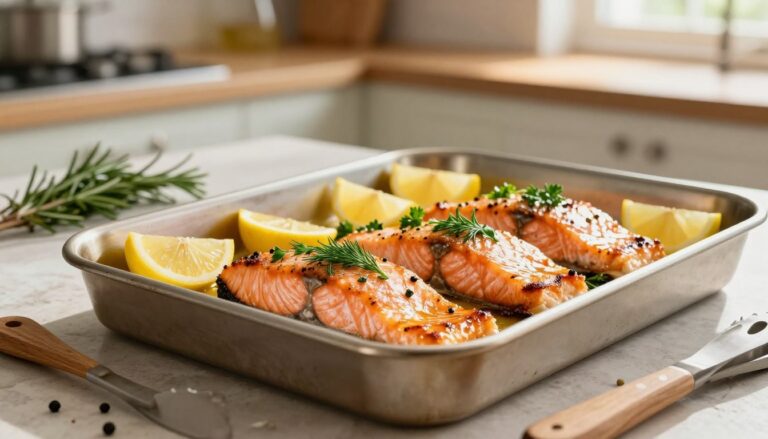
Baking fresh salmon is a great way to prepare it for patties. First, heat your oven to 425°F. Use parchment paper on a baking sheet to prevent sticking and make cleanup easier.
Put your salmon fillet skin-side down on the sheet. Brush the top with olive oil to keep it moist. Season with garlic salt and black pepper.
Bake the salmon for 10 to 15 minutes. Thin wild salmon takes about 10 minutes, while thicker pieces need 15. It’s done when it’s opaque and flakes easily.
- Check for an internal temperature of 145°F
- Avoid overcooking to prevent dry cakes
- Take it out of the oven right when it’s done
After baking, cover the salmon with foil and let it rest for 10 minutes. This step helps the juices spread evenly.
Flaking and Cooling Techniques
After resting, remove and discard the skin. Use two forks to flake the salmon into pieces. Flake in the direction of the muscle fibers.
Be careful to remove any pin bones. Run your fingers over the flesh to find and remove these bones. Aim for flakes about 1/2 to 1 inch in size.
Cooling the salmon is key for great cakes. Let it cool to room temperature, which takes 15 to 20 minutes. You can also chill it for 30 minutes if needed. This step helps the egg mixture mix well without cooking too soon.
Proper preparation ensures your salmon cakes have the perfect texture and flavor.
Recipe for Salmon Cakes with Fresh Salmon
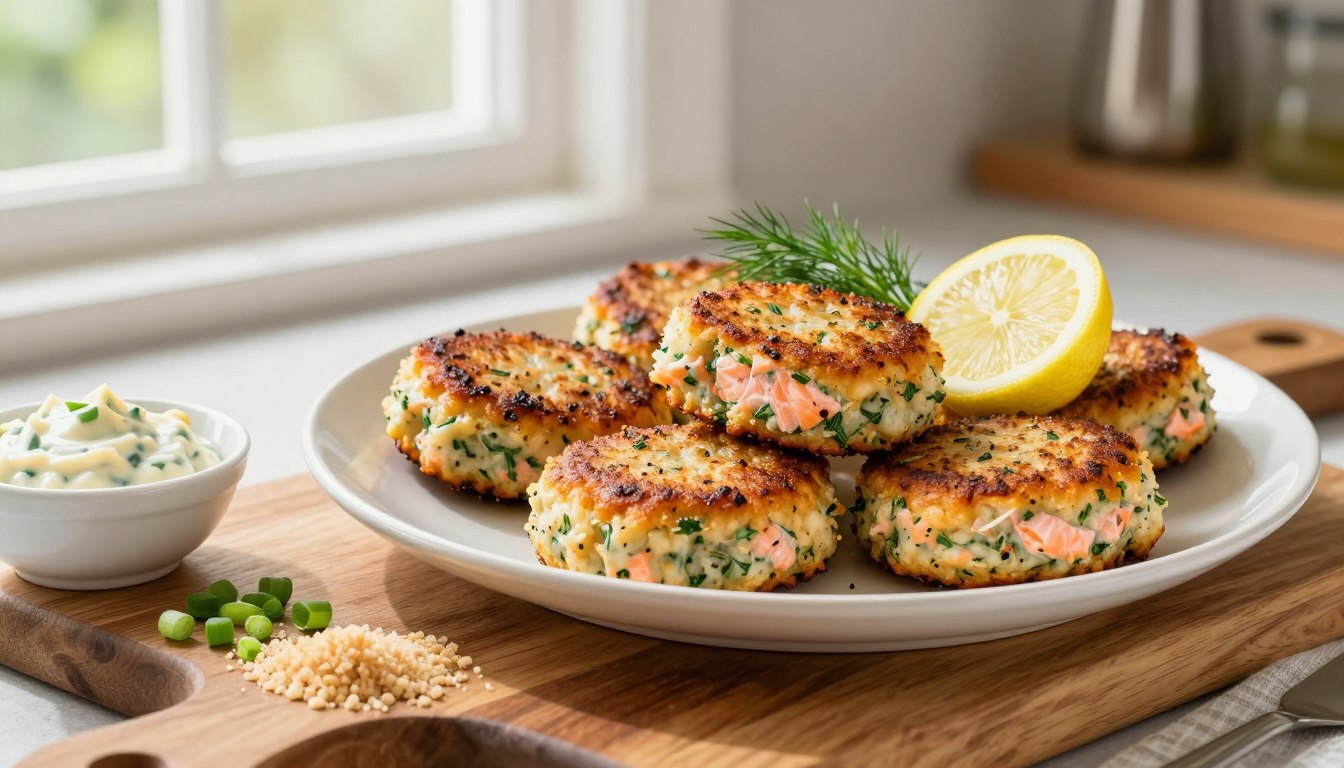
This complete salmon cake recipe combines all you’ve learned about fresh salmon into one tasty dish. Whether you’re searching for the best salmon cake recipe or a fresh salmon patty your family will enjoy, this guide has you covered. You’ll make 13-14 golden, crispy cakes in about 1 hour and 15 minutes.
Begin with your cooled, flaked salmon from Section 4. While it cools, prepare your vegetables. Heat a medium skillet over medium heat. Add 1 tablespoon of olive oil and 1 tablespoon of unsalted butter. Once the butter melts, add your finely diced onion and red bell pepper.
Sauté these vegetables for 7-9 minutes, stirring occasionally, until they turn soft and golden. Remove the skillet from heat and let the mixture cool slightly.
Now, it’s time to mix your salmon cakes. In a large bowl, combine:
- Your cooled flaked salmon
- The sautéed vegetable mixture
- 1 cup of Panko breadcrumbs
- 2 lightly beaten eggs
- 3 tablespoons of mayonnaise
- 1 teaspoon of Worcestershire sauce
- 1 teaspoon of garlic salt
- 1/4 teaspoon of black pepper
- 1/4 cup of minced fresh parsley
Stir everything together gently but thoroughly until all ingredients blend evenly. The mixture should hold together when pressed without being too wet. If needed, add more breadcrumbs if it’s too moist or another tablespoon of mayo if it’s too dry.
Form the mixture into 13-14 patties using a flat ice cream scoop. Press each portion between your palms into patties about 1/3 to 1/2 inch thick and roughly 3 inches across. This method creates uniform sizes for even cooking.
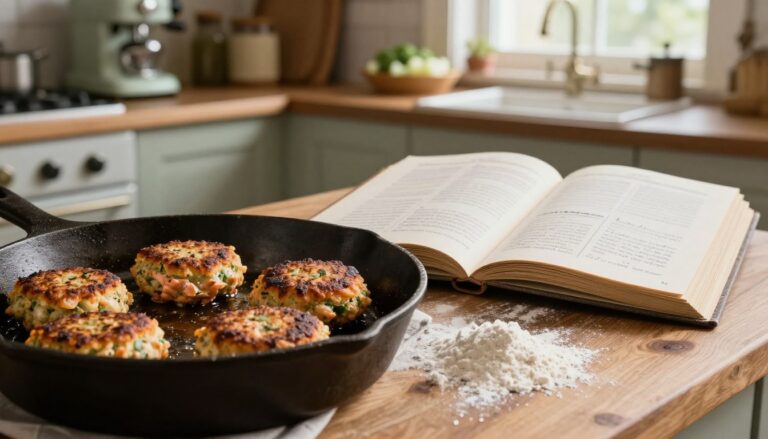
For cooking your best salmon cake recipe, heat 1 tablespoon of olive oil and 1 tablespoon of butter in a large skillet over medium heat. Once the butter melts, add half your salmon cakes to the pan. Cook them undisturbed for 3 1/2 to 4 minutes until the bottom turns golden brown and crispy. Flip carefully and cook the other side for another 3 1/2 to 4 minutes. If browning happens too quickly, reduce heat slightly. Transfer cooked cakes to a paper-towel-lined plate. Add remaining oil and butter, then repeat with the second batch.
Each finished cake contains approximately 157 calories, 9 grams of protein, 11 grams of fat, and 5 grams of carbohydrates. This makes your salmon patty recipe fresh salmon a nutritious, protein-rich option for any meal. Resist pressing down on the cakes while cooking, as this squeezes out moisture and prevents proper crisping.
Mixing and Forming Your Salmon Patties
Now that your salmon is ready and cooled, it’s time to mix everything together. This step is key to making sure your cakes stay together while cooking. Getting it right takes just a few minutes and makes a big difference.
Getting the Right Consistency
The consistency of your salmon cakes is very important. You want the mix to feel like thick, sticky dough. It should hold its shape when pressed but not be too wet.
Check the mix’s texture by taking a small amount and pressing it between your palms. If it keeps its shape and doesn’t leak moisture, it’s just right.
Several things affect the mix’s texture:
- Moisture from veggies that weren’t drained well
- Egg size (extra-large eggs add more liquid)
- Kitchen humidity
- How well breadcrumbs soak up moisture
If your mix is too wet, add breadcrumbs slowly. If it’s too dry, add mayonnaise slowly. A trick: chill your mix for 20 minutes before shaping. This helps the breadcrumbs soak up moisture and makes the mix easier to work with.
Shaping Uniform Patties for Even Cooking
Having the same size patties ensures they cook evenly. Use a flat ice cream scoop or a 1/4-cup measuring cup to portion the mix. This makes sure each patty is about 2.5 to 3 ounces, cooking evenly.
Here’s how to shape uniform patties:
- Scoop the mix onto a clean surface
- Press each portion into a 3-inch round with your palms
- Make the patties 1/3 to 1/2 inch thick
- Smooth the edges with your fingers to prevent cracks
- Moisten your palms with water between patties if needed
The right thickness helps your cakes cook through without burning the outside. For extra crunch, coat both sides with breadcrumbs or cornmeal before cooking. Refrigerating the patties for 20 minutes before cooking helps them stay together better. But you can skip this step if you’re in a hurry.
Learning how to shape fish cakes right ensures you get great results every time you cook.
Cooking Methods for Crispy, Golden Salmon Cakes
Getting your salmon cakes just right is all about the technique and temperature. Pan-frying is the best way to get a crispy, golden outside and a tender inside. It beats baking or air-frying for taste and texture, making it the top choice for home cooks.
The temperature you use to cook salmon cakes is crucial. You want your skillet at medium heat. This heat is hot enough to make a crispy crust but not so hot that it burns the outside before the inside is done. Start by adding 1 tablespoon of oil and 1 tablespoon of butter to your large pan. The oil stops the butter from burning, and the butter adds a rich, nutty flavor. Wait until the butter completely melts and stops sizzling before adding your cakes.
- Place half your salmon cakes in the pan, leaving space between each one
- Let them cook undisturbed for 3.5 to 4 minutes on the first side
- Flip carefully using a wide spatula when the edges look golden brown
- Cook the second side for another 3.5 to 4 minutes until crispy
- Transfer to a paper-towel-lined plate to drain excess oil
- Repeat with remaining cakes using fresh oil and butter
To get crispy salmon cakes, watch your heat closely. If they brown too quickly, lower the temperature a bit. You want a deep golden color on both sides, not dark spots.
For baking salmon cakes, preheat your oven to 400°F. Place patties on a parchment-lined baking sheet, brush lightly with oil, and bake for 12 to 15 minutes. Flip carefully and bake 10 to 12 minutes more until golden. This method uses less fat but won’t give you the same crispy texture that pan-frying delivers.
Common cooking problems need fixing. If your cakes fall apart, your mixture was probably too wet. If they’re dry inside, you may have cooked them too long. Greasy cakes mean your oil temperature was too low.
Best Sauces and Dips to Serve with Salmon Cakes
Salmon cakes are tasty on their own, but the right sauce makes them special. A good dipping sauce adds moisture, tang, and flavor. You can choose from classic tastes or bold, spicy flavors.
The best sauce for salmon cakes varies by taste. Some like traditional, while others prefer spicy. Most sauces take just five minutes to make and last up to a week in the fridge.
Homemade Tartar Sauce Recipe
Making your own tartar sauce is easy. Once you try it, you’ll never go back to store-bought. This classic sauce is quick to make and tastes much better.
Here’s what you need for your tartar sauce:
- 1/2 cup good-quality mayonnaise
- 2 tablespoons finely chopped dill pickles (drained well)
- 1 tablespoon fresh lemon juice
- 1 teaspoon Dijon mustard
- 1 tablespoon minced fresh dill
- 1 teaspoon capers (chopped, optional)
- Salt and pepper to taste
Just whisk all ingredients together in a bowl until smooth. Chill for 30 minutes to blend flavors. You can use it right away if needed. It’s a perfect match for salmon cakes.
Thai Chili Mayo and Other Flavor Options
Want to try something new? Thai chili mayo adds sweet heat and international flair. It’s a favorite for a reason.
Here’s what you need for Thai chili mayo:
- 4 tablespoons mayonnaise
- 2 tablespoons Thai sweet chili sauce (adjust to taste)
- Fresh lime juice (optional)
Whisk until smooth. The sweet heat and garlic make an addictive sauce for salmon patties.
Try a remoulade sauce for salmon with 4 tablespoons plus 1/2 teaspoon mayonnaise, 2 tablespoons Dijon mustard, 1/4 teaspoon pickle juice, and 4 pinches Cajun seasoning. It’s tangy and spicy, like tartar sauce but bolder.
Other great dipping sauces include:
- Lemon mayo – 4 tablespoons mayo with 1/2 tablespoon fresh lemon juice for a citrusy twist
- Ranch dressing – a favorite that pleases everyone
- Aioli for salmon patties – garlic-infused mayo with minced garlic, lemon juice, and olive oil
- Dill sauce – mayo or sour cream with fresh dill and lemon juice
- Fresh lemon juice – for those who like simple flavors
Choose your favorite sauce based on your taste. Your salmon cakes deserve the best.
Side Dishes That Complement Salmon Cakes
Choosing the right sides for salmon cakes makes your meal special. Salmon cakes are rich and packed with protein. They pair well with lighter sides that contrast in texture and flavor. This creates a balanced plate where your salmon patties can shine.
When planning your salmon cake meal, mix fresh veggies with starchy foods. Your plate should feel complete but not heavy.
Fresh Vegetable Choices
Vegetables with salmon patties are best when roasted or served fresh. Roasted veggies bring out sweetness that matches the savory fish.
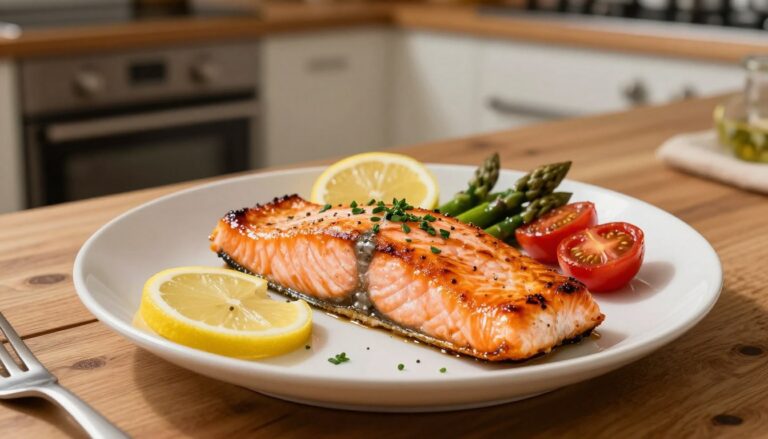
- Roasted asparagus tossed with olive oil and lemon
- Crispy roasted Brussels sprouts with garlic
- Grilled broccoli with a squeeze of fresh lemon juice
- Roasted bell peppers and zucchini medley
- Sautéed green beans with garlic and almonds
Salad Options
A salad with salmon cakes adds freshness and balances the meal’s richness. Choose light dressings that won’t overpower.
- Mixed green salad with cucumber and cherry tomatoes
- Arugula with shaved parmesan and lemon dressing
- Spinach salad with strawberries and balsamic vinaigrette
- Crisp coleslaw for textural contrast
- Simple cucumber salad with dill vinaigrette
Starch Sides
Side dishes for fish cakes should include a starchy element. These options soak up the sauces from your salmon patties.
- Creamy mashed potatoes or crispy roasted potato wedges
- Fluffy rice pilaf with herbs
- Mediterranean couscous with vegetables and feta
- Quinoa salad with lemon dressing
- Sweet potato fries for subtle sweetness
Try pairing your salmon cakes with asparagus and rice pilaf for an elegant dinner. Or, combine them with coleslaw and corn on the cob for a summer cookout feel. Serve salmon cake meal ideas on slider buns with fresh lettuce and tomato. Add sweet potato fries or a simple green salad for a casual meal.
Storage Tips and Make-Ahead Instructions
Planning ahead makes cooking salmon cakes easier. You can make these tasty patties ahead of time. This way, you can enjoy them all week long. Knowing how to store and reheat them keeps them fresh and crispy.
Make-ahead salmon cakes offer kitchen flexibility. You can mix the ingredients one day and cook them the next. This method makes the patties even better because the breadcrumbs soak up more moisture.
Refrigerating and Freezing Salmon Cakes
For storing salmon cakes in the fridge, let them cool completely first. This takes about 30 minutes. Then, put them in an airtight container with parchment paper between each layer to avoid sticking. Cooked patties stay good for 3 to 4 days.
Uncooked salmon cake mix also keeps well in the fridge. Store it in an airtight container for up to 24 hours before shaping and cooking.
Freezing salmon patties is best before cooking. Shape your patties and freeze them on a parchment-lined baking sheet without touching. Freeze for 2 to 3 hours until solid. This step prevents them from sticking together. Wrap each patty in plastic wrap, then put them in a freezer bag.
How long do salmon cakes last in the freezer? Uncooked patties can last up to a month. Defrost them overnight in the fridge, then cook as usual.
When reheating salmon patties, you have several options:
- Oven at 350°F for 10 to 12 minutes (best for crispy texture)
- Skillet over medium heat with oil for 2 to 3 minutes per side
- Microwave for 30 to 60 seconds (quickest method)
Cooked salmon cakes can freeze for up to two months. Reheat frozen patties at 375°F for 20 to 25 minutes until warm. Freezing them right keeps them tasting almost fresh.
Common Mistakes to Avoid When Making Salmon Cakes
Learning about common salmon cake mistakes helps you make perfect patties every time. Knowing why salmon cakes fall apart and how to fix these issues is key. This section covers the most frequent errors and how to avoid them.
One big mistake is using salmon that’s too warm. Mixing hot salmon into your batter can partially cook the eggs. This breaks the binding process, causing your cakes to crumble. Always let your salmon cool to room temperature or even chill it slightly before mixing.
Moisture balance is crucial in your mixture. Vegetables that haven’t been drained properly add extra liquid. This makes the mixture too wet to hold shape. After sautéing vegetables, let them cool and drain away any liquid. Drain them well before adding them to your salmon mix.
The opposite problem happens when your mixture is too dry. Overcooked salmon or too little mayo and eggs create a dense, crumbly texture. Here’s how to fix broken fish cakes by adjusting consistency:
- Add breadcrumbs one tablespoon at a time if the mixture is too moist
- Add extra mayo one tablespoon at a time if the mixture is too dry
- Mix gently until ingredients just combine evenly
Overmixing breaks down the salmon into a paste-like substance. You want to see chunks of fish in your finished cakes. Mix only until all ingredients blend together smoothly.
Shape and size matter for even cooking. Make patties between 1/3 to 1/2 inch thick. Thicker patties burn on the outside before cooking through inside. Thinner ones dry out too quickly. Use a scoop to make uniform portions. Smooth the edges to prevent cracking and breaking apart.
Cooking temperature directly affects your results. Medium heat works best for most stovetops. Heat that’s too high burns the outside. Heat that’s too low creates greasy, soggy cakes. Don’t flip your cakes until the first side forms a golden crust. Use a wide spatula and flip gently but with confidence.
Preventing dry salmon patties starts with ingredient choices. Use Panko breadcrumbs instead of regular ones—they’re coarser and absorb less moisture. Use full-fat mayo for proper richness. Never skip eggs without adding a proper replacement binder.
Crowding your pan causes steaming instead of frying. Cook in batches with space between each patty. Letting your mixture rest for 20 minutes in the refrigerator before shaping gives breadcrumbs time to absorb moisture fully. This simple step greatly improves how your cakes hold together during cooking.
Conclusion
You now have all you need to make tasty homemade fish cakes. They’re as good as those from a restaurant. Fresh salmon makes a big difference in taste and texture.
This easy salmon dinner is perfect for any time. You can serve it with veggies and salad for a weeknight meal. Or, make it fancy for guests with a unique appetizer. You can even freeze them for quick meals later.
The combination of crispy outside and soft inside is loved by all. Try them with tartar sauce, Thai chili mayo, or lemon juice. Add herbs, corn, or capers for extra flavor. If you like spice, add cayenne or hot sauce. You can bake or air fry them for different cooking methods.
Begin getting your ingredients ready today. Follow the steps in this guide. Your salmon cake journey will make you healthier and happier. Enjoy making these delicious cakes in your kitchen.
If you’re looking for more ideas, check out our salmon recipes.