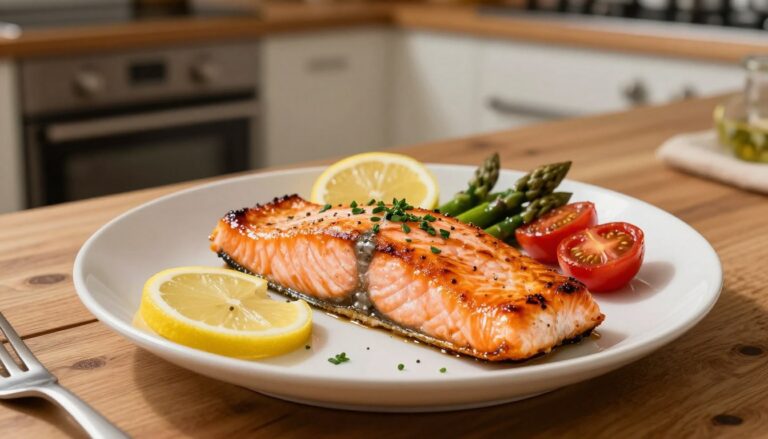
How to Bake Salmon Steaks in the Oven
There’s a moment when you realize cooking doesn’t have to be complicated. This moment often comes when you learn to bake salmon steaks in the oven. You’re in your kitchen, with hungry people waiting, and you’re worried you can’t make something tasty. But salmon is forgiving, and it wants to be delicious for you.
Learning to bake salmon is easy. With this recipe for salmon steaks in the oven you don’t need fancy tools or hours of prep. In just 20 minutes, you can have amazing baked salmon steaks ready. This includes five minutes of prep, twelve to fifteen minutes in the oven, and three minutes of resting. Your oven does most of the work while you do other things.
The beauty of baking salmon steaks is how simple it is. You start with a sheet pan and a small bowl. Add salmon steaks, olive oil, garlic, lemon, and fresh herbs. The oven turns these basic ingredients into moist, flavorful fish. You’ll see that salmon steaks are forgiving and taste great, whether you keep it simple or add more.
The hardest part is patting your salmon dry. After that, seasoning and letting the heat work its magic is easy. You’ll find that perfectly cooked salmon steaks have the right texture inside. The outside gets a golden look. Your guests will think you’re a pro. But you’ll know the truth: you just followed a simple method that works every time.
Key Takeaways
- Baked salmon steaks cook in just 20 minutes total from start to finish
- You need only basic kitchen equipment like a sheet pan and small mixing bowl
- Simple seasonings like olive oil, garlic, lemon, and herbs create delicious results
- Salmon steaks are forgiving and nearly impossible to ruin in the oven
- Patting the salmon dry is the most important preparation step
- Your oven does most of the work while you handle other tasks
- This method delivers restaurant-quality salmon for busy weeknights and entertaining guests
Why Salmon Steaks Are Perfect for Baking
Choosing a salmon steak recipe means picking a cut that excels in the oven. Salmon steaks have unique benefits that make them great for home cooks. Knowing what sets them apart helps you achieve the best results every time.
Salmon steaks have a natural advantage in cooking. Their cross-cut shape and center bone help them stay moist and keep their shape. This makes them perfect for both beginners and seasoned cooks.
Understanding the Difference Between Salmon Steaks and Fillets
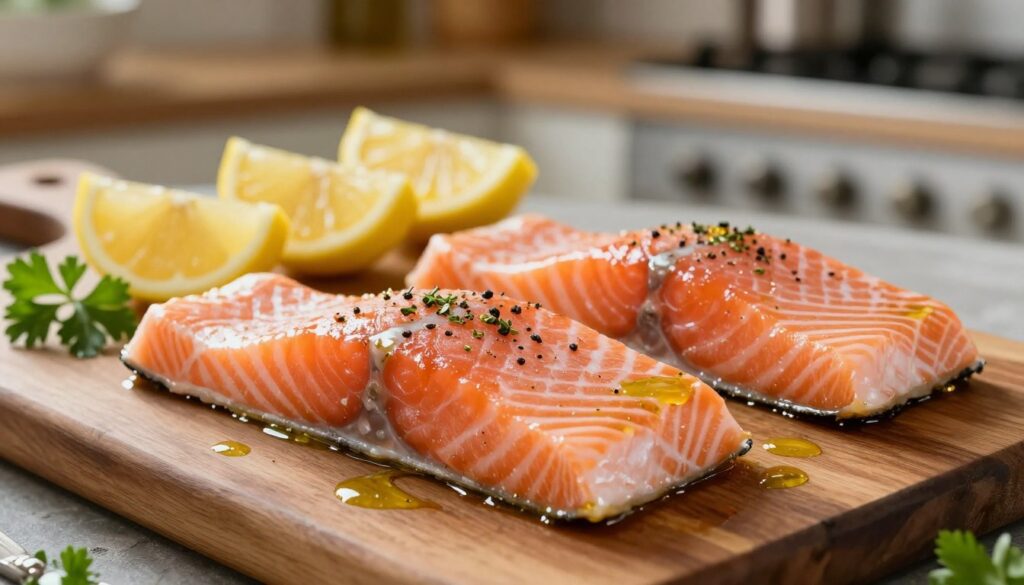
Knowing the difference between salmon fillets and steaks is key. Salmon steaks are cross-cut slices with a horseshoe shape and skin on the outside. They include the center bone. Fillets, on the other hand, are lengthwise cuts with a rectangular shape and are mostly boneless.
Here are the main differences:
- Steaks have a distinctive horseshoe shape
- Fillets are long and rectangular
- Steaks include the center bone
- Fillets are boneless or nearly boneless
- Steaks have a firmer texture
- Fillets are more delicate
The Benefits of Baking Salmon Steaks with the Bone In
Baking bone-in salmon has real advantages. The bone helps keep the fish moist and adds flavor. It also ensures even heat distribution, making sure the fish cooks consistently.
The bone adds subtle flavor that enhances your dish. Baking bone-in salmon prevents the edges from drying out. This results in even, reliable cooking that’s hard to get with boneless cuts.
Steaks also hold their shape better than fillets. Their structure prevents them from falling apart or curling up. Removing small pin bones around the center bone is quick with tweezers.
“The presence of bone in salmon steaks ensures moisture retention and even heat distribution, making them superior for oven baking applications.”
Choosing steaks over fillets gives you a meatier bite and a more forgiving cooking experience. Fillets can cook unevenly due to varying thickness. Steaks, with their uniform thickness, provide consistent results.
Choosing the Best Salmon Steaks for Your Recipe
Choosing the right salmon steaks is key to a tasty baked dish. Start by picking fresh salmon at the fish counter. It makes a big difference in taste and texture when baked.
Go to your local supermarket’s seafood section or a fishmonger for the best salmon. Quality salmon should be bright and vibrant, ranging from deep red to pink. Press it gently; it should spring back. A fresh ocean smell is a good sign. Any strong fishy smell means it’s too old.
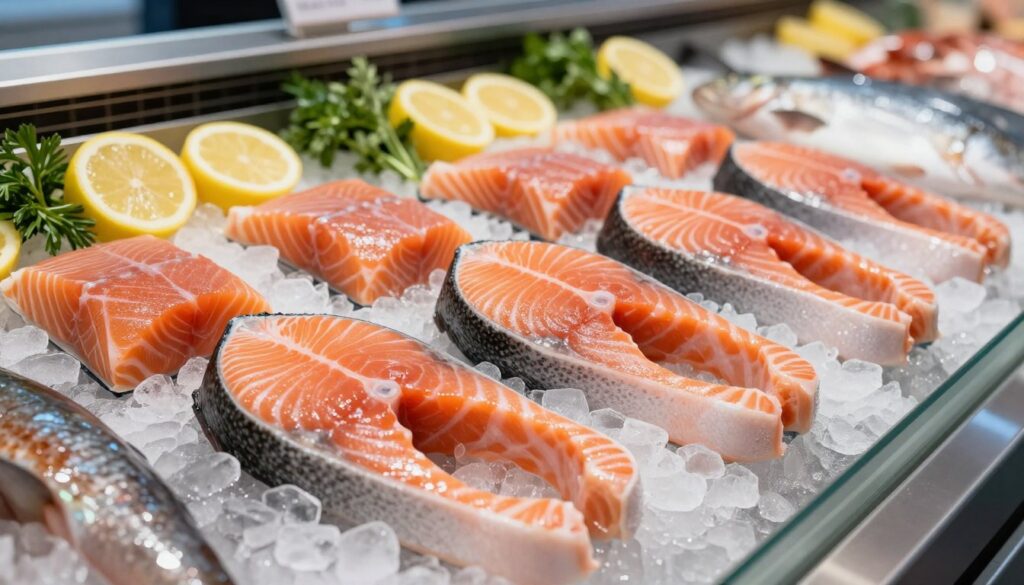
Choose salmon steaks that are about one inch thick. This thickness cooks evenly in the oven without drying out.
Popular Types of Salmon to Consider
Different salmon types offer unique flavors and textures for your dish:
- Sockeye salmon — Deep red color with a rich, bold flavor
- King salmon — High fat content delivers a buttery, luxurious taste
- Atlantic salmon — Mild flavor and widely available year-round
- Wild-caught varieties — Leaner texture with intense salmon taste
Your choice depends on what you like and your budget. Any quality salmon is great for baking.
Ask your fishmonger to remove pin bones from the salmon steaks. If they can’t, you’ll need to do it before cooking. Buy fresh salmon steaks on the day you plan to cook or within one to two days for the best flavor and texture.
Essential Ingredients for Baked Salmon Steaks
Getting your ingredients ready is the first step to baking delicious salmon steaks. You likely have most of these items in your kitchen. You don’t need anything fancy or hard to find. The basic ingredients include four salmon steaks with small bones removed, quality oils, and simple seasonings.
Creating a Flavorful Spice Blend
A great spice blend for salmon starts with the basics. You’ll want to combine simple pantry staples that work in harmony. Your foundation includes:
- ½ teaspoon salt
- ½ teaspoon black pepper
- 2 cloves fresh minced garlic
- 1 teaspoon onion powder
- 1 teaspoon chili powder
This salmon seasoning blend creates a balance of salty, garlicky, and slightly spicy flavors. The chili powder adds warmth without heat. Fresh minced garlic gives you better results than powdered garlic because it releases more flavor when it cooks.
Want to switch things up? Try adding dried herbs like dill, parsley, or thyme. Smoked paprika brings a smoky depth. Lemon-pepper seasoning adds brightness. You can also use fresh basil, rosemary, or cilantro as finishing touches.
Oil Selection and Why It Matters
Your choice of oil makes a real difference in the final dish. Regular olive oil for salmon works better than extra virgin olive oil because it has a higher smoke point. This means it won’t break down at the 400°F oven temperature needed for baking.
Use 2 tablespoons of olive oil for salmon in this recipe. The oil does three important jobs:
- Helps your seasonings stick to the fish
- Creates nice browning on the outside
- Adds richness and moisture
The milder flavor of regular olive oil won’t compete with your spice blend. If you want something richer, you can swap in melted butter instead. Both options work beautifully with your salmon steaks.
Recipe for Salmon Steaks in the Oven
Learning to make oven baked salmon is easier than you think. This guide will help you make a tasty, restaurant-quality meal at home. It’s perfect for cooking for yourself or your family, and it always turns out great.
First, heat your oven to 400°F. This temperature is perfect for a crispy outside and a soft inside. While the oven warms up, dry your salmon steaks with paper towels. This step helps the fish roast better, giving it a richer flavor and texture.
Preparing Your Ingredients
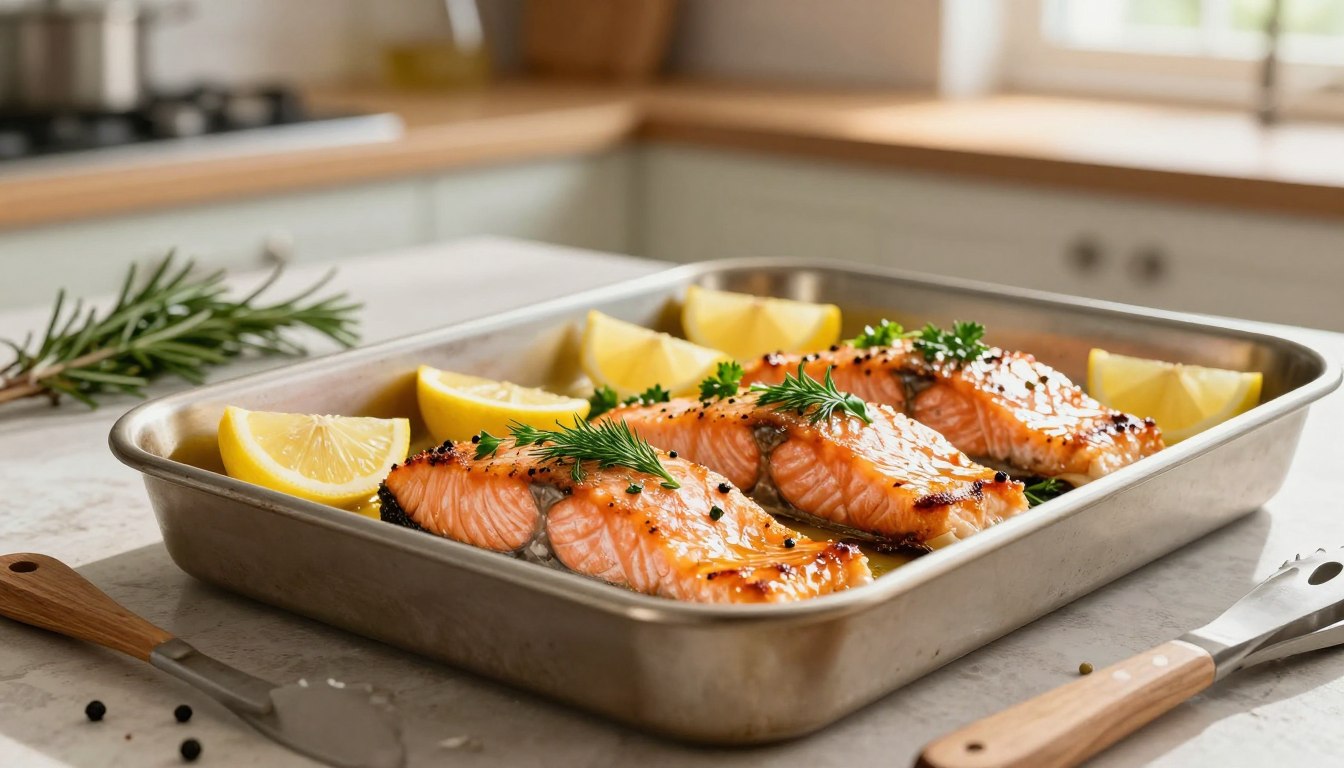
Put your four salmon steaks on a baking tray covered with parchment paper or foil. Drizzle 2 tablespoons of olive oil over each steak to make sure they’re all coated.
In a small bowl, mix your seasonings:
- ½ teaspoon salt
- ½ teaspoon black pepper
- 2 cloves minced garlic
- 1 teaspoon onion powder
- 1 teaspoon chili powder
Spread this spice mix all over both sides of each steak. Make sure it covers the whole surface.
Baking and Finishing
Put your tray in the oven and bake for 12 minutes. This is ideal for 1-inch thick steaks. Your salmon is done when it’s flaky and looks opaque.
Take the tray out of the oven and let the salmon rest for 3 minutes. This lets the juices spread evenly, making every bite juicy. Finally, add some fresh basil leaves for a splash of color.
This recipe makes 4 servings, with about 309-317 calories per serving. It’s a healthy, protein-packed meal option.
Perfect Baking Temperature and Time for Salmon Steaks
Getting your salmon steaks cooked just right depends on two main things: your oven temperature and how thick your steaks are. The best temperature for salmon baking ranges from 350°F to 425°F. Most home cooks find that 400°F works perfectly because it creates a lightly roasted exterior while keeping the inside moist and tender. This temperature prevents the dry, overcooked salmon that many people dislike.
Your baking time varies based on your chosen temperature. Here’s what you need to know:
- At 400°F: bake for 10-14 minutes (this is the standard)
- At 375°F: bake for 12-16 minutes
- At 425°F: bake for 8-12 minutes
- At 350°F: bake longer for softer, flakier results
Most salmon steaks measure about 1 inch thick and cook perfectly at 400°F in around 12 minutes. You can also use this simple rule: allow about 4 minutes of cooking time per 1 centimeter of thickness.
How to Check Internal Temperature for Doneness
Using an instant-read thermometer is the most reliable way to check your salmon. Insert the thermometer into the thickest part of the steak for an accurate reading. The salmon internal temperature determines how cooked your fish is:
- 125°F — medium-rare with a slightly translucent center
- 130-135°F — medium (the most popular choice)
- 140°F — well-done
- 145°F — USDA recommended safe temperature
Many experienced cooks prefer pulling salmon from the oven at 130-135°F. Your fish continues cooking from residual heat even after you remove it. This method gives you the most tender, moist results. Your salmon is done when it flakes easily with a fork and looks opaque throughout.
Expert Tips for Juicy, Never-Dry Salmon Steaks
Learning how to cook salmon can make a big difference. The first step is to pat your steaks dry with paper towels. This helps them roast and get a great flavor. Wet surfaces, on the other hand, steam and lose flavor.
Salmon cooks fast, so timing is key. Use a timer and check your steaks at the minimum time. Overcooking is the main reason salmon gets dry.
Baking at a higher temperature, like 400°F, helps keep the fish moist. This quick cooking seals in juices, preventing them from escaping. It’s a crucial technique to avoid dry salmon.
Here are essential techniques to help you prevent dry salmon:
- Let your salmon rest for 3-5 minutes after removing it from the oven
- Use an instant-read thermometer to check internal temperature
- Cover your baking dish with foil for tender salmon, or leave uncovered for a roasted exterior
- Squeeze fresh lemon juice over the steaks just before serving
- Watch for visual cues: the salmon should be opaque and flake easily with a fork
Salmon has natural fatty acids that help it stay moist. This makes your juicy salmon recipe more forgiving. But, still pay attention to timing and temperature for the best results.
During the resting period, juices spread evenly throughout the fish. The fish’s heat gently finishes cooking it. This ensures your salmon is always moist and tender.
Serving Suggestions and Side Dish Pairings
Your baked salmon steaks deserve tasty sides that highlight their flavors. Knowing what to serve with salmon turns a simple meal into a satisfying feast. Salmon’s flexibility makes it ideal for many dinner ideas, from quick weeknight meals to special events.
Complementary Vegetables and Grains
The right sides balance your plate with baked salmon steaks. Light, fresh options pair well with the fish. A simple mixed green salad with vinaigrette adds a refreshing contrast.
Grain-based sides can also enhance your meal:
- Couscous is fluffy and absorbs salmon juices well
- Orzo pasta has a creamy texture without being heavy
- Quinoa adds protein and a nutty flavor for a healthy meal
Roasted vegetables add color and satisfaction to your plate. Asparagus, Brussels sprouts, and bell peppers roast well with salmon. Steamed broccoli adds vibrant green color. These sides are easy to prepare but make a big impact.
Fresh Herbs and Citrus Finishing Touches
Simple garnishes can elevate your dish. Fresh herbs add brightness and depth:
- Dill pairs well with salmon, offering an anise-like flavor
- Basil adds sweet, peppery notes
- Parsley provides a clean, green taste
- Cilantro brings citrusy boldness
- Rosemary or thyme add earthy warmth
Citrus is salmon’s best friend. Serve lemon wedges on the side for added brightness. Thin lemon slices on top add visual appeal. These touches require little effort but make your meal look like it came from a restaurant.
Storing and Reheating Your Baked Salmon Steaks
Your baked salmon steaks taste best when stored right. Keeping leftovers fresh is key. Learning how to store and reheat salmon keeps it delicious for days.
Let your salmon cool down before storing. This stops moisture buildup and keeps it from getting soggy. Then, put it in an airtight container in the fridge.
Refrigerator Storage
Your leftover salmon stays fresh for up to 4-5 days in the fridge. Use an airtight container to prevent drying out and bad smells.
Freezer Storage
Freeze your salmon for up to 3 months. Use freezer-safe bags or containers and remove air before sealing. This prevents freezer burn and keeps it fresh.
Thaw frozen salmon in the fridge overnight. This method keeps it safe and better textured than thawing at room temperature.
Best Ways to Reheat Your Salmon
Reheat salmon gently to keep it moist. Use a skillet with olive oil over low heat. Warm it just until it’s ready to serve—overcooking makes it dry.
- Skillet method: Low heat with olive oil for best results
- Oven option: Cover with foil at 275°F
- Air fryer choice: Use a low setting for quick reheating
Proper reheating brings back moisture and flavor. Avoid high heat to preserve the delicate texture.
Creative Uses for Leftover Salmon
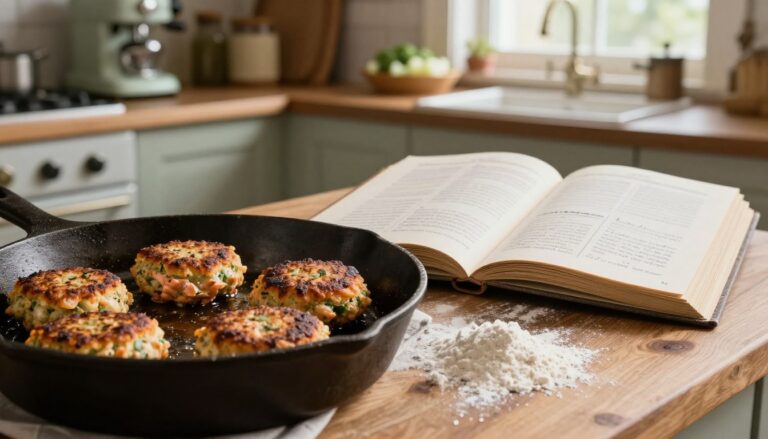
Leftover salmon is great in many dishes. Flake it over salads, mix into pasta, make salmon cakes, or use in sandwiches. Its versatility makes your baking worth it.
“Leftover salmon is a chef’s secret weapon for quick, nutritious meals throughout the week.”
Always check reheated salmon for freshness and no signs of spoilage before eating. If unsure, throw it away. Food safety is crucial for your family’s health and meal enjoyment.
Conclusion
You now have all you need for a tasty weeknight dinner that feels fancy. This easy salmon recipe is quick, ready in just 20 minutes. It’s faster than getting takeout. Your family will love the healthy salmon dinner, full of omega-3s and protein.
This recipe is simple. You just need basic ingredients, a sheet pan, and a bowl for mixing. It’s perfect for beginners because it’s easy to follow. You’ll learn to cook fish better, making you a more skilled cook.
Make this healthy salmon dinner a regular part of your meals. Try different spices, herbs, and citrus to keep things interesting. Experiment with vegetables and grains to find your favorite combinations.
Don’t wait to try this easy salmon recipe. You can make it tonight and see how easy it is. Share your success with friends and family. Start your journey to becoming a master of baked salmon steaks now.
If you’re looking for more ideas, check out our salmon recipes.