Broiled Salmon in the Oven: Easy Recipe
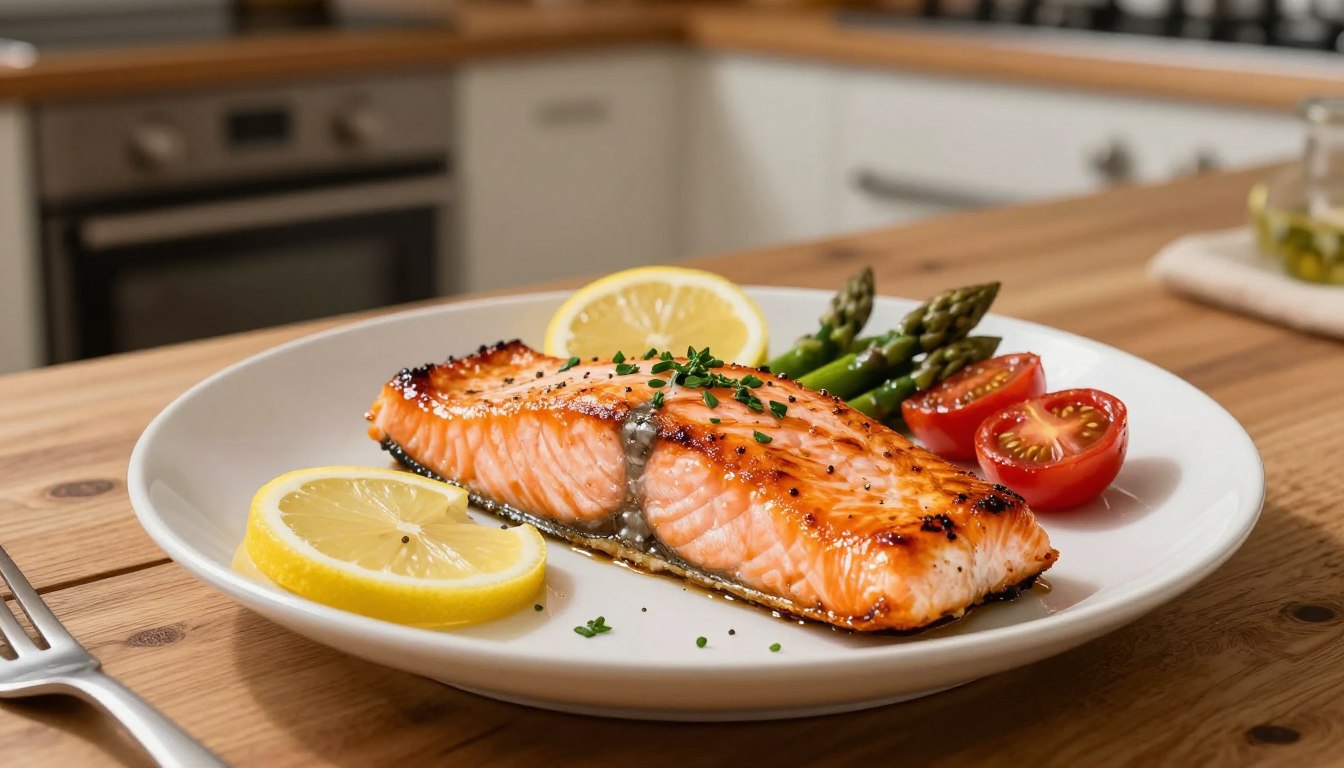
Imagine putting a salmon fillet in your oven and then walking away. Ten minutes later, you take out a dish that looks like it’s from a fancy restaurant. The outside is golden and crispy, while the inside is moist and buttery. This is real, thanks to mastering the broiled salmon recipe.
Many home cooks find salmon hard to cook. They either dry it out or cook it too little. Broiling fixes both issues. It uses direct heat to crisp the top while keeping the inside juicy. A 6-ounce piece cooks perfectly in 7 to 9 minutes.
The recipe for broiling salmon in the oven is easy. You need just a few ingredients and no special tools. It’s ready in about 15 minutes, from start to finish.
This guide will teach you everything. You’ll learn why oven broiled salmon is great for weeknights and dinner parties. You’ll understand the science behind broiling. And you’ll get clear steps to ensure success every time.
Key Takeaways
- Broiled salmon cooks in less than 15 minutes with a crispy top and tender inside
- The broiling method uses direct heat from above to create restaurant-quality results at home
- A 6-ounce salmon fillet needs only 7 to 9 minutes under the broiler
- This oven broiled salmon recipe requires minimal ingredients and no special equipment
- Broiling is perfect for both beginner cooks and experienced home chefs
- Your recipe for broiling salmon in the oven will become your new favorite cooking method
Why Broiling Is the Best Method for Cooking Salmon
Broiling is the top choice for cooking salmon at home. It cooks quickly, unlike other methods that take longer. Learning how to broil salmon makes dinner prep faster and easier.
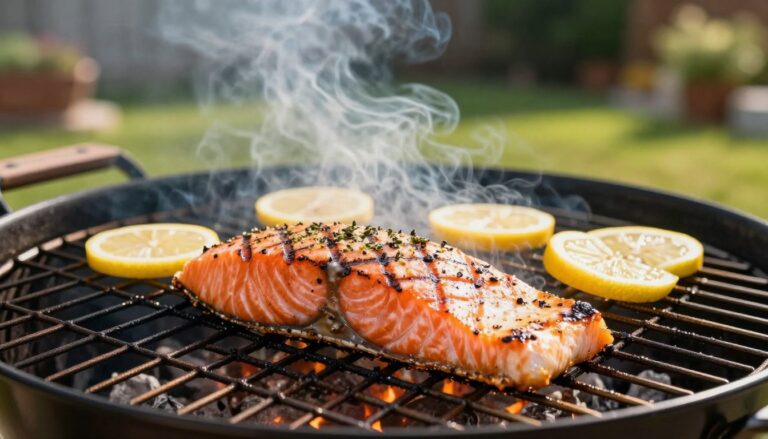
Broiling uses direct heat from the oven’s top to cook food fast. It creates beautiful browning. This method is different from others, making it the best for certain meals.
The Difference Between Broiling and Baking Salmon
Baking cooks salmon with gentle heat that cooks slowly. Broiling, however, uses direct heat from above, reaching 500-550°F. Your salmon is just 6 inches from the heat, cooking fast.
- Baking takes 12-15 minutes for a salmon fillet
- Broiling takes only 7-9 minutes for the same portion
- Baking produces gentle, even cooking
- Broiling creates rapid surface caramelization
How Broiling Creates a Crispy Top and Tender Inside
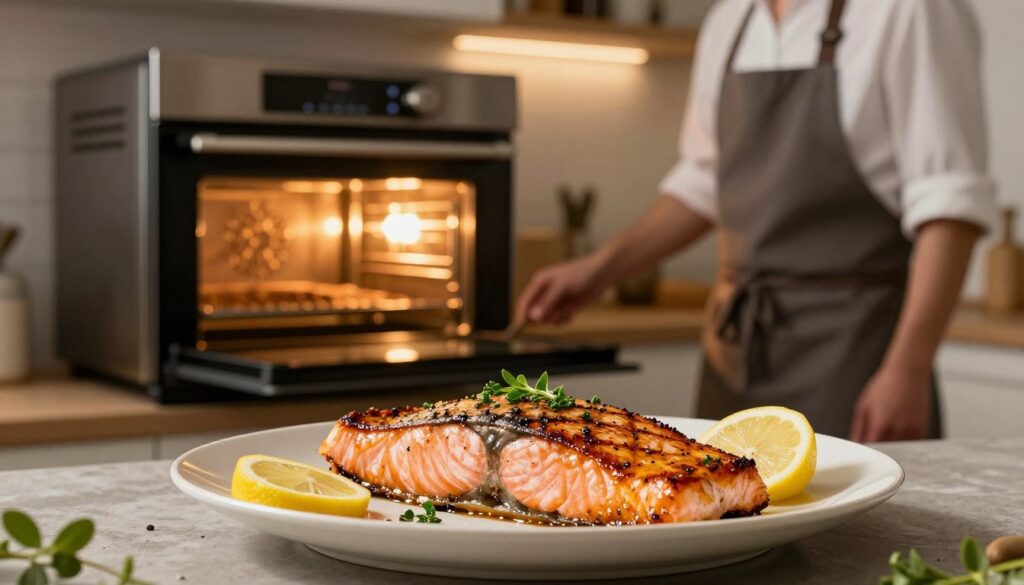
The secret to a perfect crispy salmon recipe is broiling’s heat. The intense heat caramelizes the salmon’s outside quickly. This makes a golden, crispy crust that keeps moisture in.
Inside, the salmon stays tender and buttery. This method works best for individual salmon pieces. Large pieces can overcook before the center is done.
Broiling turns salmon into a quick weeknight dinner. You get great results without spending a lot of time cooking.
Health Benefits of Salmon You Should Know
Salmon is a top choice for a healthy diet. It’s not just tasty; it’s packed with nutrients that boost your health. Adding a healthy salmon recipe to your meals is a smart move.
The omega-3 fatty acids in salmon are amazing. They help your heart, reduce inflammation, and improve brain function. Salmon also gives you high-quality protein for muscle repair. It’s great for keeping your body strong and healthy.
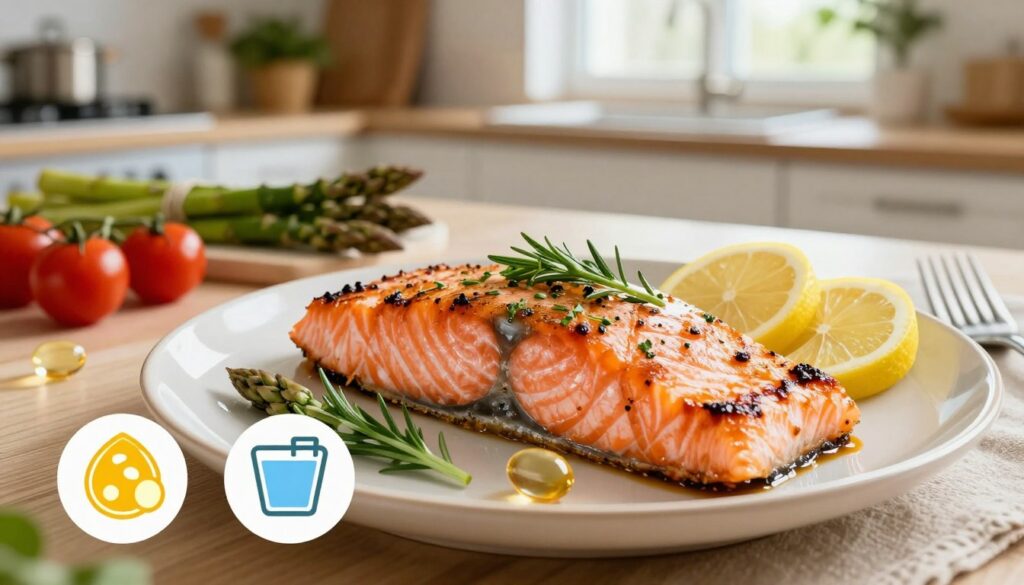
- B Vitamins – Keep your energy up and your nerves calm
- Potassium – Helps control your blood pressure
- Selenium – Supports your thyroid
- Astaxanthin – A strong antioxidant that makes salmon pink
Broiling salmon keeps these nutrients intact and adds little fat. This method makes your salmon recipe even healthier. Eating salmon regularly improves your heart health, brain function, and overall wellness. It’s a nutritious choice for your family.
Essential Ingredients for Perfect Broiled Salmon
Choosing the right ingredients is key to broiling salmon in your oven. Quality is important, from the fish to the oils and seasonings. Let’s look at what you need for a delicious meal your family will enjoy.
Choosing the Right Salmon Fillets
Look for salmon fillets that are 1 inch thick and weigh 6 to 8 ounces each. This size ensures even cooking. Skin-on salmon is best because the skin keeps the flesh moist and prevents it from falling apart.
You can pick from Atlantic, sockeye, coho, or king salmon. Visit your local fish counter for the freshest salmon. Fresh salmon tastes better and cooks better than frozen.
Best Oils and Seasonings to Use
Use extra-virgin olive oil for broiling. It helps the salmon brown without burning and enhances its flavor. Avocado oil is a good alternative if you need something with a higher smoke point.
Seasoning ideas for salmon range from simple to complex. Here are a few:
- Minimalist blend: salt, pepper, and fresh lemon juice
- Smoky combination: smoked paprika, garlic powder, kosher salt, brown sugar, and mustard
- Classic profile: sea salt, black pepper, onion powder, and cumin
The oil-and-mustard mix is a great base for seasonings. It helps them stick to the fillets and promotes browning. Now you’re ready to start your broiling adventure.
Recipe for Broiling Salmon in the Oven
Learning to broil salmon in the oven is quick and tasty. It’s a great option for a fast dinner. The secret is knowing the right cooking time and following simple steps for tender fish.
First, get your ingredients ready. You need 2 to 4 salmon fillets, each 6 to 8 ounces and 1 inch thick. Make sure the skin is on. Also, have 2 tablespoons of extra-virgin olive oil and your favorite seasonings.
Ingredients You’ll Need
- 2 to 4 salmon fillets (6 to 8 ounces each, about 1-inch thick, skin-on)
- 2 tablespoons extra-virgin olive oil
- ½ to 1 teaspoon kosher salt
- Black pepper to taste
- Optional seasonings: onion powder, cumin, smoked paprika, garlic powder, or brown sugar
- 1 tablespoon Dijon mustard (optional)
- Fresh herbs like parsley, dill, or chives
- Lemon wedges for serving
Step-by-Step Instructions
- Position your oven rack 6 inches from the broiler element and preheat on high heat
- Line a baking sheet with aluminum foil or broiler-safe parchment paper
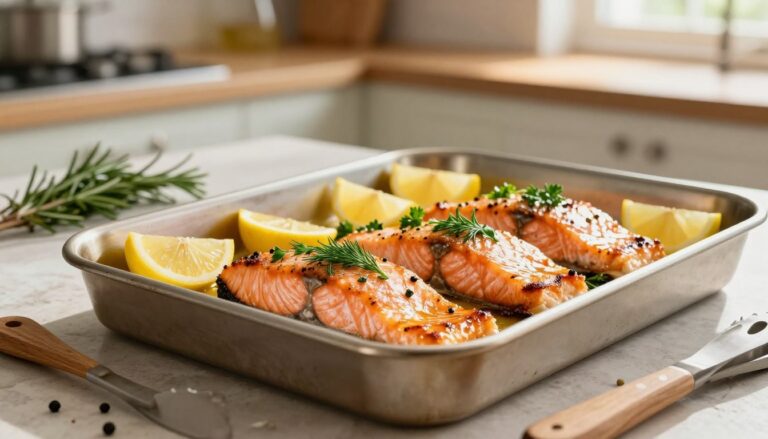
- Place salmon fillets skin-side down on the prepared sheet without touching
- Brush fillets generously with olive oil and apply your chosen seasonings evenly
- Broil for 6 to 9 minutes as your salmon cooking time, checking at the 6-minute mark
- Salmon is done when it flakes easily and reaches 135°F internally for medium-rare
- Let rest 5 minutes before serving with lemon wedges and fresh herbs
This oven broiling recipe is easy and flavorful. It cooks the salmon just right, keeping it moist inside and crispy outside.
Setting Up Your Oven for Broiling Success
Getting your oven ready is key for broiling salmon. The right setup helps your fish cook evenly. It should have a crispy top and a tender inside. Before placing your salmon, understand your oven’s broiler system and set it up right.
Proper Rack Position and Temperature Settings
Your oven might have different settings. Some let you choose a broiling salmon temperature. Others have just one option. If you can adjust the temperature, set it to 550°F for the best results.
If your oven only has one broil setting, it will heat to about 500-550°F. Rack position is also crucial. Place your salmon about 6 inches from the broiler element. This distance prevents burning.
- Check your oven’s manual to identify rack positions
- Measure the distance from your chosen rack to the broiler element
- Preheat your broiler for 3-5 minutes before cooking
- Adjust rack height based on how your specific oven performs
“Proper oven setup is the foundation of successful broiling,” according to cooking technique standards.
Always preheat your broiler before adding the salmon. This ensures consistent heat. Following these tips will help you achieve perfect salmon every time.
How to Tell When Your Broiled Salmon Is Perfectly Cooked
Knowing when your salmon is done is key to great cooking. The best way is with an instant-read thermometer. Stick it into the thickest part of the fillet. You’re aiming for 135°F for medium-rare or 140°F for fully cooked.
But there are other ways to check too. Look at the color and feel of your salmon. The top should be brown and crispy. The inside should be a lighter pink than raw.
When you press it with a fork, it should feel firm and flake easily. This means it’s cooked just right.
Timing is also important. For 1-inch thick fillets, broil for 6 to 9 minutes. Check at 6 minutes to avoid overcooking. Thinner fillets need less time, while thicker ones or those who like it well-done need more.
- Always watch your salmon while broiling—high heat moves salmon from perfect to overdone in under a minute
- Remove salmon slightly before reaching your target temperature
- Let it rest for a few minutes to allow carryover cooking
- Never leave the oven unattended during the broiling process
Carryover cooking means the salmon’s temperature keeps rising after it’s removed. This is why timing and attention are crucial when broiling salmon.
Storage and Reheating Tips for Leftover Salmon
Your broiled salmon is delicious, but leftovers are common. Knowing how to store and reheat it keeps it fresh and tasty. This way, you get the most out of your meal prep efforts. Let’s explore the best ways to keep your salmon safe and delicious.
Proper Refrigeration and Freezing Methods
Start by letting your cooked salmon cool down. Wait until it reaches room temperature, but don’t leave it out for more than 2 hours. This prevents harmful bacteria from growing. Once cooled, put your salmon in an airtight storage container and refrigerate it.
Your refrigerated salmon stays fresh for up to 2 days. An airtight container keeps odors out and prevents your salmon from drying out. The sealed environment protects the fish from strong refrigerator smells.
For longer storage, freezing is great. Place your cooked salmon in freezer-safe, airtight containers for up to 3 months. Mark the date on your container with a permanent marker. When you’re ready to eat it, thaw your salmon overnight in the refrigerator. Never thaw at room temperature.
Best Ways to Reheat Without Drying Out
Reheating salmon requires a gentle touch. Quick, high-heat methods ruin the delicate texture. Use one of these two approaches for best results:
- Stovetop method: Place salmon in a skillet over medium-low heat with a small amount of butter or oil
- Microwave method: Use short 30-second intervals at 50% power with a damp paper towel covering the fish
Both methods keep reheating salmon moist and tender. The damp paper towel traps steam, which prevents drying. Your leftover salmon works great in pasta dishes, salads, or grain bowls when flaked into small pieces.
Gentle reheating is your secret to enjoying leftover salmon that tastes nearly as fresh as the day you cooked it.
Meal prep becomes easier when you prepare seasoning mixtures months ahead. Store them in airtight containers at room temperature. Your salmon dinners come together faster when seasonings are ready to go.
Delicious Side Dishes to Serve with Broiled Salmon
Your broiled salmon needs impressive side dishes to match. The right choices turn a simple meal into a fancy dinner. Salmon’s rich flavor goes well with veggies, grains, pasta, and salads. Each dish adds its own twist, letting you change up your meals.
- Air fryer baked potatoes for comfort and simplicity
- Grilled asparagus with a slight char and tender texture
- Sautéed carrots that bring natural sweetness
- Smashed Brussels sprouts for crispy, caramelized goodness
- Potato skins that echo your salmon’s golden top
Pasta fans will love these Italian and Mediterranean pairings. Garlic pasta is simple yet elegant. Sun-dried tomato pasta adds a Mediterranean touch that pairs well with the fish. These pastas soak up salmon juices.
Grain-based dishes offer heartiness and nutrition:
- Simple brown rice as a neutral base
- Beet risotto for special occasions
- Farro risotto for creamy sophistication
- Turmeric rice for anti-inflammatory benefits and vibrant color
A fresh arugula salad with light vinaigrette balances the salmon’s richness. You can also cook Brussels sprouts or potato skins in the oven before. Then, broil them after your salmon is done for a crispy finish.
Common Mistakes to Avoid When Broiling Salmon
Learning to broil salmon takes time, but many mistakes can ruin your dish. Knowing these errors helps you cook perfectly every time. The right tips can make your salmon go from bad to great.
Why You Shouldn’t Use Certain Pans Under the Broiler
Choosing the right cookware is crucial when broiling salmon. Never use regular non-stick pans under the broiler unless they’re labeled as safe. Most non-stick coatings melt at high heat and can release harmful fumes.
Glass dishes like Pyrex are dangerous under the broiler. They can shatter explosively when exposed to direct heat. This is a risk you should avoid in your kitchen.
Instead, use pans made of broiler-safe ceramic or aluminum foil. These materials can handle high temperatures without any issues.
Essential Broiler Cooking Tips for Perfect Results
When broiling salmon, avoid these common mistakes:
- Don’t flip your salmon—keep it skin-side down throughout cooking
- Never leave frozen salmon in the broiler—thaw it completely first
- Watch your fish constantly to prevent overcooking
- Tent with foil if the top browns too quickly
- Keep proper distance from the heating element
Salmon cooks fast under intense broiler heat. It can go from perfect to dry in less than a minute. Stay in the kitchen and watch your meal closely.
Thawed salmon absorbs seasonings better and cooks more evenly than frozen fillets.
By following these tips, your salmon will always be tender inside and crispy on top.
Conclusion
You now know how to make a great broiled salmon recipe. This method is quick, taking only 8 to 9 minutes. You get a crispy top and a tender inside.
This recipe needs just a few ingredients and tools. You don’t need fancy stuff or to be a pro to make it.
Broiled salmon is not just fast and easy. It’s also very healthy because it’s cooked with little fat. The broiling method keeps the nutrients in and makes a tasty crust.
You now know how to set up your oven right. You know when your salmon is done just right. You also know how to store and reheat it without drying it out.
As you get better at cooking, you can try new things with your salmon. Add different flavors, try different sides, and keep your meals exciting. This method is great for busy nights or special occasions.
Make broiled salmon a regular part of your meals. Your family will love it. You’ll see how easy and quick it is. This recipe can change how you feel about cooking fish at home.
Start cooking today and see the difference in every bite. Proper technique makes all the difference.
If you’re looking for more ideas, check out our salmon recipes.