Beef Tongue in Slow Cooker: A Delicious Recipe
Discovering a dish that turns the ordinary into something special is amazing. Beef tongue might seem scary at first, but in your slow cooker, it’s magic. It becomes so tender and tasty, you’ll wonder why you didn’t try it sooner.
This recipe for beef tongue in slow cooker brings authentic Tex-Mex flavors to your table. It’s easy to make. The slow cooker does all the work while you’re busy. You don’t need to watch it or use hard cooking methods.
Lengua slow cooker dishes are a hit on Sundays for families everywhere. They’re perfect for brunch or dinner tacos. Beginners find it easy, and pros love the results more than oven or stovetop cooking.
In this article, you’ll see why the slow cooker is the best for lengua. You’ll get ingredient lists, step-by-step guides, and tips for serving. Most importantly, you’ll learn cooking beef tongue is easier than you think.
Key Takeaways
- Slow cooking transforms tough beef tongue cuts into juicy, tender meat
- The slow cooker method requires no active cooking time or monitoring
- Simple aromatics like onion, garlic, and bay leaves deliver authentic flavors
- Lengua slow cooker recipes work perfectly for tacos, brunch, and family gatherings
- This beef tongue recipe draws from proven Tex-Mex cooking traditions
- Both beginners and experienced cooks achieve excellent results with this method
Why Beef Tongue is Perfect for Your Slow Cooker
Beef tongue is a top choice for slow cookers. It turns into a tender delight with the right cooking. Your slow cooker makes this tough meat into a special treat.
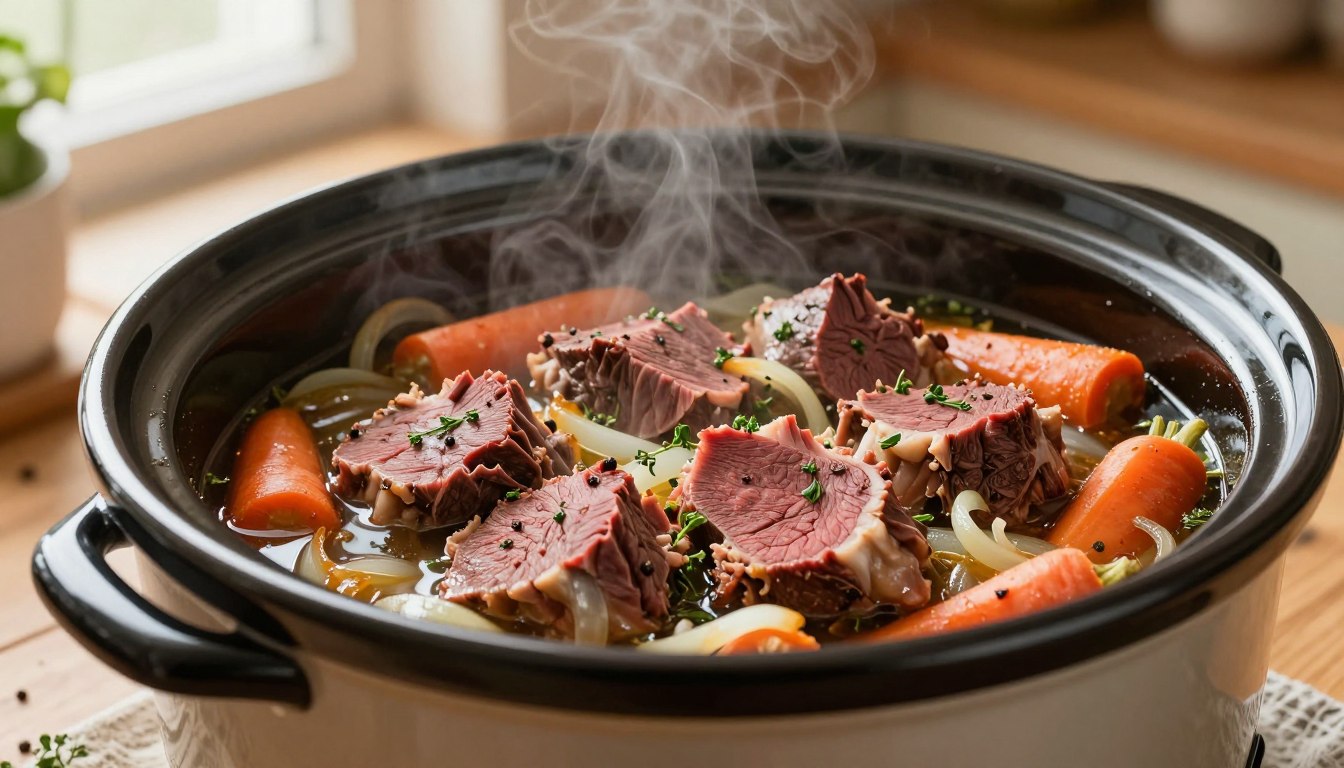
Slow cooking makes beef tongue tender and juicy. You don’t have to watch it or stir it. Just set it and let it cook for eight hours.
The Benefits of Low and Slow Cooking
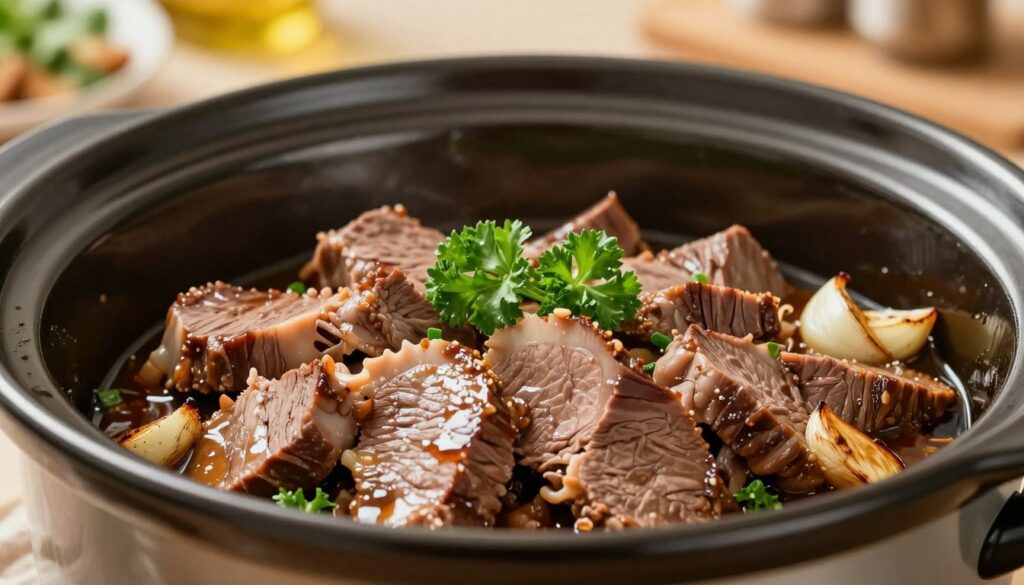
Low and slow cooking is great for beef tongue. It breaks down collagen into gelatin, making the meat tender. This is what you want.
Your slow cooker keeps the meat moist and flavorful. Aromatics like onion and garlic soak into the meat during cooking.
- Collagen converts to gelatin for tenderness
- Moist heat prevents drying
- Flavors develop throughout the meat
- No stirring or monitoring needed
- Consistent, gentle temperature control
How Slow Cooking Transforms Tough Cuts
Beef tongue has tough fibers that need long cooking to soften. Quick methods won’t work. The fibers stay tough and chewy.
After eight hours, your beef tongue is tender. The slow cooker’s moist heat makes it perfect. The outside stays tender while the inside cooks through.
This method is perfect because it works with the meat’s nature. It uses time and gentle heat to transform it.
What You Need to Know About Buying Beef Tongue
Finding quality beef tongue requires some effort. But, knowing where to look makes it easy. Beef tongue is a specialty cut that many regular grocery stores don’t carry. You’ll find it at ethnic markets, local butcher shops, or online retailers that cater to its demand.
When you buy beef tongue, know what to look for. A typical tongue weighs 3 to 4 pounds and feeds 4 to 6 people. Look for beef that’s fresh, with a grayish-pink color and no strange smells. Both fresh and frozen tongues work well in slow cooker recipes.
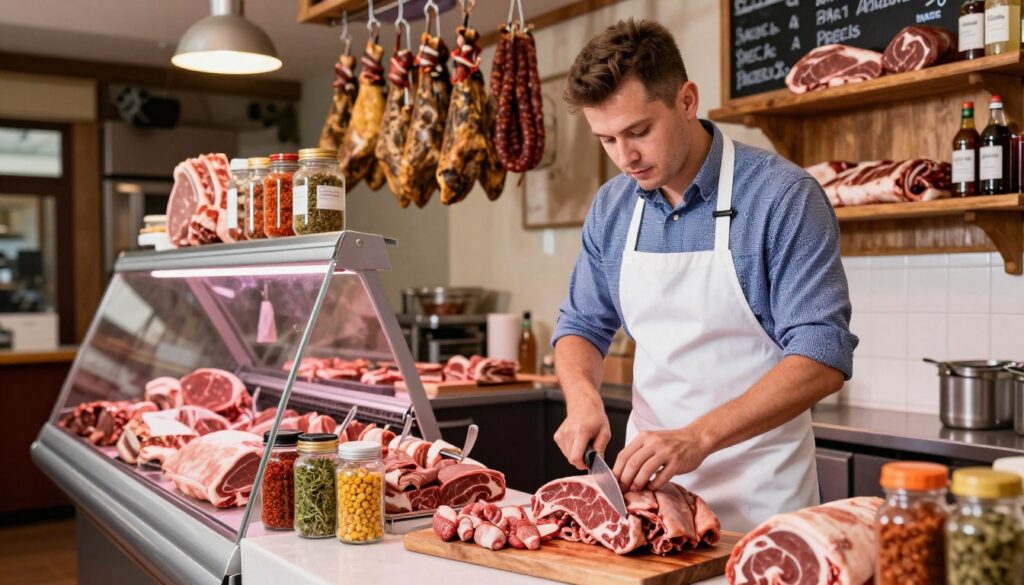
- Local butcher shops with specialty meat sections
- Hispanic or Latin American grocery stores
- Asian markets that carry specialty cuts
- Online meat retailers for home delivery
For easy home delivery, consider ordering Rumba Meats beef tongue on Amazon. This is great for cooking for big groups or when local stores are out of stock. Rumba Meats beef tongue comes fresh and ready to cook, saving you time and trips to the store.
Plan your purchases based on your guest count. One 3-4 pound tongue is perfect for a family dinner. But, you’ll need 4 to 5 tongues for bigger gatherings. Buying beef tongue online saves time and ensures you have just what you need for your slow cooker meal.
Essential Ingredients for Recipe for Beef Tongue in Slow Cooker
Creating a tasty beef tongue dish is easy. You don’t need many ingredients to make it special. Most things you need are probably in your kitchen already. The secret is choosing quality ingredients and knowing how they blend during slow cooking.
Flavor layers come from aromatics and the right seasoning. These elements turn tough meat into tender, tasty food. Let’s look at each part that makes this dish stand out.
Aromatics That Enhance Flavor
Aromatics are the base of your cooking liquid. They add savory depth and richness over eight hours. Your main aromatics are:
- Onions – yellow or white, sliced into chunks
- Garlic cloves – at least four to six, minced or crushed
- Bay leaves – two to three, for herbal, floral notes
- Fresh thyme or oregano – optional, for extra depth
These aromatics make a flavorful liquid that keeps meat moist. Onions and garlic break down, making the broth richer.
Seasoning Your Lengua Perfectly
Seasoning lengua is simple. Salt and black pepper are key. For a three to four-pound tongue, use:
- Two teaspoons of kosher salt
- One teaspoon of black pepper
- Enough water to cover the meat
Season the liquid, not just the meat. This lets flavors spread evenly. Also, add one tablespoon of butter for searing later.
For serving, have warm flour tortillas, diced radishes, chopped cilantro, and lime wedges ready.
Step-by-Step Instructions for Cooking Beef Tongue
Learning to cook beef tongue in a slow cooker is simple. This method makes the meat tender and delicious. Follow these steps to make a dish like a restaurant at home.
Begin by rinsing the beef tongue under cold water. This step removes any dirt and gets it ready for cooking. Dry it with paper towels before putting it in the slow cooker.
- Place the beef tongue in your slow cooker
- Add halved onion, garlic cloves, salt, and pepper
- Include one bay leaf for extra flavor
- Pour cold water until the tongue is completely covered
- Set your slow cooker to low heat
- Cook for 8 hours (overnight cooking works great)
While it cooks, the beef tongue will become very tender. After 8 hours, check if it’s done by piercing it with a knife. It should be easy to slide through.
Remove the hot tongue with tongs or a slotted spoon. Put it on a cutting board to cool a bit. Don’t discard the cooking liquid; use it to make stock later.
Once you get these steps, you’ll see how easy it is. The slow cooker does most of the work while you’re busy. Your beef tongue will be perfectly cooked and ready for the next steps.
How to Remove the Skin from Cooked Beef Tongue
After your beef tongue finishes cooking in the slow cooker, the hardest part is behind you. Removing beef tongue skin might seem intimidating at first, but it’s actually straightforward. The long cooking time loosens the outer layer significantly, making peeling lengua much easier than you’d expect. With the right timing and tools, you’ll have tender, smooth meat ready for your favorite dishes.
Timing Your Peeling Process
The key to successful beef tongue preparation lies in perfect timing. You need to let the tongue cool just enough to handle comfortably. This window is typically 10-15 minutes after removing it from the slow cooker. The meat should still feel warm to the touch but not hot enough to burn your hands.
Don’t wait too long. If you let it cool completely, the skin becomes stubborn and harder to remove. Work while the tongue retains some warmth for the smoothest peeling experience.
Tools You’ll Need for Easy Removal
Gather these simple items before starting:
- A sharp paring knife (3-4 inches works best)
- A clean cutting board
- Paper towels for grip
Start by making a small cut at the tip of the tongue. Use your fingers to grip and peel the skin away in large sections. The skin should come off in pieces rather than shreds. Once the exterior is removed, trim away the tough back end containing glands and connective tissue.
Your beef tongue preparation is complete when you have smooth, tender meat ready to chop or slice. Practice makes this process quicker each time.
Searing Your Beef Tongue for Maximum Flavor
After peeling and chopping your cooked beef tongue, you can take a simple step to enhance it. Searing the beef tongue in a hot skillet adds amazing texture and flavor. This step is especially good for dishes like tacos, where texture matters.
Sealing the beef tongue in a pan is easy but yields great results. Begin by heating a cast-iron or non-stick skillet over medium-high heat with a tablespoon of butter or olive oil. Cast-iron is best because it holds heat well and browns food beautifully. Once the pan is hot, add the beef pieces in a single layer, working in batches if needed.
Let the pieces cook undisturbed for a few minutes until they get a golden-brown crust on the bottom. This crust forms through the Maillard reaction, which creates rich flavors. Stir and keep cooking for 5 to 10 minutes more until they’re browned on all sides.
The result is crispy lengua with caramelized edges and a soft inside. You can add more salt and pepper during searing if you like. This step turns your slow cooker beef tongue into something truly special.
- Use a cast-iron or non-stick skillet
- Heat butter or olive oil on medium-high heat
- Cook beef pieces undisturbed for a few minutes first
- Stir and continue cooking 5 to 10 minutes total
- Season with salt and pepper as needed
Best Ways to Serve Your Slow Cooker Lengua
Your tender beef tongue is now ready to shine on the dinner table. Serving lengua opens up exciting possibilities for weeknight meals and special gatherings. The rich, savory meat pairs beautifully with fresh toppings and bright flavors. You can transform this impressive cut into casual tacos or an elegant brunch centerpiece that impresses your guests.
Traditional Taco Toppings and Accompaniments
Beef tongue tacos represent the most popular way to enjoy this delicacy. Warm your flour tortillas and layer in your sliced lengua as the star ingredient. Build your tacos by adding these classic lengua toppings:
- Diced radishes for a crisp, peppery crunch
- Fresh cilantro that adds brightness and aroma
- Lime wedges to squeeze over everything
- Chopped white onion for sharp bite
- Fresh salsa to bring moisture and flavor
- Creamy avocado slices or guacamole
- Sour cream for richness
- Freshly grated Cotija or queso fresco cheese
Each component balances the deep beef flavor perfectly. Your guests can customize their beef tongue tacos with the toppings they prefer.
Creating the Perfect Sunday Brunch Spread
Serving lengua at brunch transforms your meal into something special. Set up your lengua as the centerpiece alongside fresh fruit, homemade salsas, and warm coffee. Include baked goods like oatmeal bars and offer brunch beverages such as mimosas or sparkling water with fresh mint.
This approach creates a relaxed gathering where everyone builds their own tacos. The slow cooker does the work beforehand, leaving you free to enjoy time with family and friends. Your perfectly cooked beef tongue becomes a conversation starter that demonstrates your culinary skills.
Make-Ahead Tips for Stress-Free Entertaining
Hosting guests doesn’t mean you’re stuck in the kitchen. With make-ahead beef tongue, you can enjoy time with your loved ones. The slow cooker does most of the work, letting you relax.
This dish is super flexible. You can cook it the night before for brunch or in the morning for dinner. Its 8-hour cooking time fits any schedule.
- Peel and halve your onion the day before
- Peel garlic cloves and store them in the refrigerator
- Dice radishes and chop fresh cilantro
- Make your salsa and slice limes
- Store all toppings in separate containers
Peel and slice your tongue 30 minutes before guests arrive. You can keep the meat warm in the slow cooker or sear it just before serving.
For stress-free hosting, cook, peel, and dice the tongue a day ahead. Reheat it gently before serving. This turns a complex dish into an easy option for entertaining.
Storing and Reheating Your Beef Tongue
After cooking your slow cooker meal, you might have leftover beef tongue. Knowing how to store and reheat it keeps it safe and tasty. This way, you can enjoy it multiple times without losing quality or taste.
Proper Storage Techniques
Once your beef tongue cools, put it in an airtight container. Never leave cooked meat out for more than 2 hours. You can store it in the fridge for 3 to 4 days. For longer, freeze it for up to 3 months.
Keep the cooking liquid separate. It helps keep the meat moist when reheating. Divide the tongue into portions before freezing. This makes it easy to thaw only what you need.
Thaw frozen meat in the fridge overnight. Don’t thaw it in the microwave, as it can make the meat uneven.
- Refrigerator storage: 3 to 4 days in an airtight container
- Freezer storage: Up to 3 months in portioned bags
- Thawing method: Transfer to refrigerator overnight
Reheating lengua is easy and keeps your meal fresh. Warm diced tongue in a covered skillet over medium-low heat with liquid for 5 to 7 minutes. You can also use the microwave in a covered dish with liquid, stirring halfway through. For slower reheating, place your leftover beef tongue in the slow cooker on low with liquid for 30 to 60 minutes. This gentle approach preserves the tender texture you worked hard to achieve.
Common Mistakes to Avoid When Cooking Lengua
Cooking beef tongue in a slow cooker is forgiving. But, some mistakes can ruin your meal. Knowing these common errors helps you get tender, delicious results every time. Learn how to avoid these mistakes and cook like a pro.
The biggest mistake is undercooking your lengua. Cooking it for less than 8 hours or using high heat makes it tough. The skin becomes hard to remove, causing frustration. Patience is your greatest tool with this cut. Cooking it low and slow makes it silky.
Water levels are crucial. Your beef tongue must stay fully submerged. Make sure the liquid covers the meat by at least an inch. Start with extra water to avoid tough beef tongue.
Here are some lengua tips to help you succeed:
- Never skip rinsing the tongue at the beginning—this removes surface residue
- Peel the skin while the meat is still warm, not after cooling completely
- Don’t oversalt—season the cooking liquid generously to flavor the meat throughout
- Avoid overcrowding the pan when searing diced tongue for maximum browning
- Don’t let appearance intimidate you—the final product looks and tastes like any tender beef cut
By following these lengua tips, you can avoid common mistakes. Your slow cooker beef tongue will impress everyone at your table.
Conclusion
You now know how to make a fantastic beef tongue slow cooker recipe. This method makes cooking lengua easy for anyone. The slow cooker turns tough meat into tender, delicious food in about eight hours.
An easy lengua recipe is a great way to try new flavors at home. Just a few minutes of prep work is needed. Then, the slow cooker cooks it while you do other things.
When dinner time comes, you’ll have tasty meat ready for tacos, burritos, or brunch. This dish is perfect for both new cooks and those who love traditional dishes.
Trying beef tongue lets you explore real Latin American and Mexican cooking. If fresh lengua is hard to find, Rumba Meats offers online options. Leftovers are great for meal prep and can be reheated beautifully.
This beef tongue slow cooker recipe is your key to making something special. You’re all set to start cooking and maybe even start a Sunday brunch tradition. Enjoy every delicious bite.
Explore more delicious meals in our beef category.